


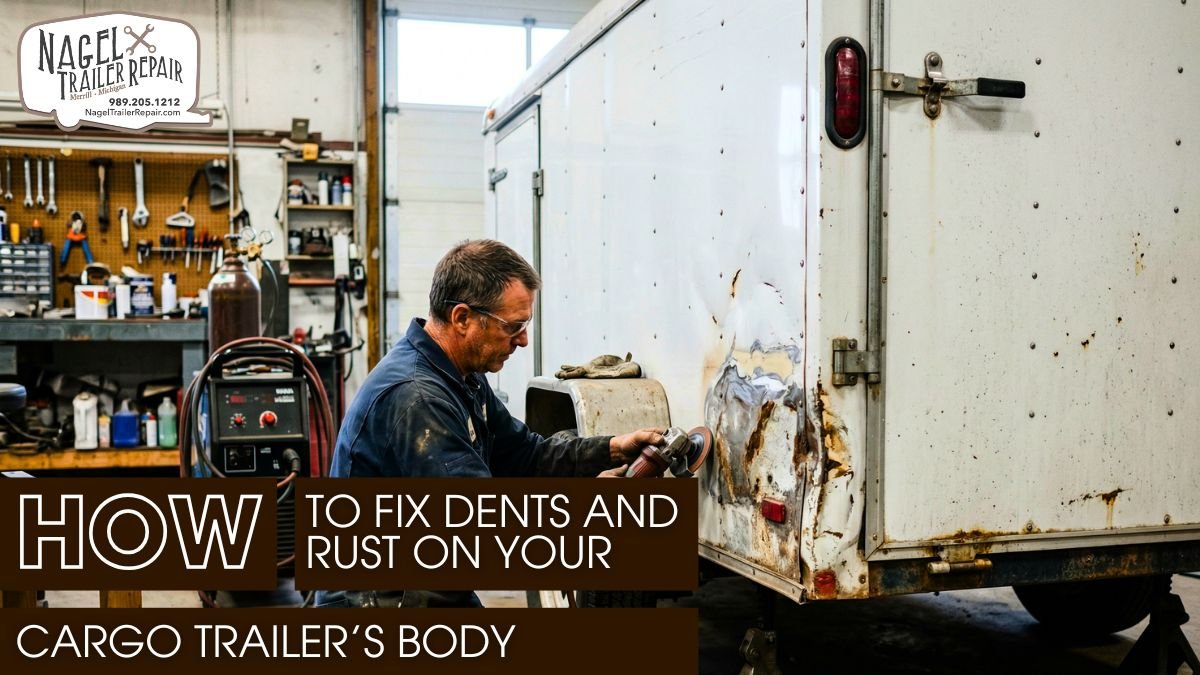
Dents and rust can quickly ruin your cargo trailer’s appearance and weaken its structure. Even minor damage can spread fast, turning a reliable trailer into an eyesore that affects performance and value.
Many owners struggle to fix these issues because they lack the right tools, techniques, or guidance. Ignoring dents and rust only leads to bigger repairs, higher costs, and potential safety risks over time.
This guide shows you how to fix dents and remove rust step-by-step. While DIY restores look, professional care ensures safety. For complex structural issues, visiting a cargo trailer repair shop in Michigan guarantees a durable, road-ready finish that keeps your investment in peak condition.
Cargo Trailer Body Damage:
If you use your cargo trailer regularly, dents and rust are almost inevitable. Whether it’s a minor bump while loading or exposure to rain and road salt, your trailer takes a lot of wear over time. These small issues may not seem serious at first, but they can quickly grow into bigger problems if you ignore them.
Most trailers are made from steel or aluminum. Steel is strong but more vulnerable to rust, especially when the paint layer gets damaged. Aluminum doesn’t rust the same way, but it can still corrode and lose its strength if you don’t maintain it properly.
Keep an eye out for early warning signs so you can act before the damage worsens:
- Paint that bubbles or peels
- Small orange or brown rust spots
- Rough or flaky metal surfaces
- Slight dents or uneven panels
Catching these signs early makes repairs much easier and helps you avoid expensive fixes later.
Tools and Materials Needed:
Before you start any repair, make sure you have the right tools and materials ready. Using the correct equipment not only saves time but also helps you achieve a smoother and longer-lasting finish.
You don’t need a full workshop, but a few essential tools will make a big difference. Basic hand tools like a hammer, dolly, sanding blocks, and a wire brush are must-haves. If you’re dealing with larger areas, a power sander or grinder can speed things up.
Safety should always come first. Wear gloves, safety glasses, and a mask to protect yourself from dust and fumes.
For materials, quality matters. Better products give better results and last longer:
- Body filler to smooth out dents
- Rust converter to stop corrosion
- Primer to protect the metal
- Automotive paint for a clean finish
- Degreaser to prep the surface
Taking time to prepare properly will make the entire repair process much easier and more effective.
How to Fix Dents in Cargo Trailer Body?
Fixing dents might seem tricky, but with patience and the right approach, you can handle most of them yourself. Start by looking closely at the dent. Is it shallow or deep? This will help you decide how much work it needs.
For most dents, the hammer and dolly method works well. Place the dolly behind the dent and gently tap the outside with a hammer. Work slowly and carefully—you want to reshape the metal, not stretch it further.
Once the surface is mostly back in shape, apply body filler to smooth out any remaining imperfections. Spread it in thin layers and let each layer dry before sanding.
Sanding is where you refine the finish:
- Start with coarse sandpaper (around 80 grit)
- Move to finer grits (150–220)
- Keep the surface even and smooth
- Check your work under good lighting
With a bit of care, you can make the repaired area blend in almost perfectly with the rest of the trailer.
Removing Rust Effectively:
Rust is more than just a cosmetic issue—it can weaken your trailer if you let it spread. That’s why it’s important to remove it completely, not just cover it up.
Start by checking how deep the rust goes. Surface rust is easier to handle, while deeper rust may require more effort or even part replacement. Use a wire brush, sandpaper, or grinder to remove all visible rust until you reach clean metal.
After that, apply a rust converter. This step is important because it stops any remaining corrosion from spreading further. Once the treatment is done, clean the area thoroughly so it’s ready for primer.
Here’s what helps you get the best results:
- Remove all rust, not just the top layer
- Use a rust converter for protection
- Clean with a solvent before painting
- Let everything dry completely
Taking your time here ensures the rust won’t come back anytime soon.
Repainting and Finishing Touches:
Once you’ve repaired the dents and removed the rust, it’s time to bring your trailer back to life with a fresh coat of paint. This step not only improves appearance but also protects the metal underneath.
Start with a good primer. It helps the paint stick better and adds a layer of protection against moisture and corrosion. After the primer dries, apply your paint in thin, even coats. Don’t rush—multiple light coats always look better than one heavy coat.
Choosing the right paint also matters. Automotive-grade paints last longer and handle tough conditions better. Finish everything with a clear coat to seal and protect the surface.
For a clean, professional finish:
- Apply 2–3 thin coats of primer
- Sand lightly between layers if needed
- Match the paint color carefully
- Seal with a clear protective coat
When done right, your trailer will look refreshed and well-protected.
Preventing Future Damage:
After putting in the effort to repair your trailer, you’ll want to keep it in good shape for as long as possible. Regular maintenance goes a long way in preventing dents and rust from returning.
Make it a habit to inspect your trailer every few weeks. Look for small chips, scratches, or rust spots and fix them early. Keeping your trailer clean also helps prevent moisture buildup, which leads to corrosion.
Adding protective coatings can give your trailer an extra layer of defense. And whenever possible, store it in a covered area to protect it from harsh weather.
Simple habits can make a big difference:
- Check your trailer regularly
- Wash and dry it after use
- Apply protective coatings
- Store it away from rain and humidity
- Fix small issues before they grow
A little care now can save you a lot of time and money later.
The Role of Professional Maintenance:
While many repairs can be handled with basic tools and patience, professional maintenance plays a crucial role when damage goes beyond surface-level fixes. Skilled technicians bring experience, precision, and specialized equipment that ensure long-lasting results, especially when structural integrity is at risk.
Professionals don’t just repair visible dents or remove rust—they assess the entire trailer for hidden damage, metal fatigue, and alignment issues. This becomes even more important after severe wear or major impact, where rebuilding requires accurate measurements, proper welding, and high-grade materials.
By relying on expert maintenance, you reduce the chances of recurring problems and improve overall safety. It also saves time and prevents costly mistakes that often come from trial-and-error repairs. Investing in professional care ensures your trailer remains durable, reliable, and ready for demanding use.
Conclusion:
Fixing dents and rust on your cargo trailer may seem like a big task, but when you break it down into simple steps, it becomes much more manageable. With the right tools and a bit of patience, you can restore both the look and strength of your trailer.
Paying attention to each stage—from repair to repainting—helps you achieve results that last. Rushing the process or skipping steps can lead to problems coming back sooner than expected.
By staying consistent with maintenance and addressing small issues early at Nagel Trailer Repair, you can keep your haul in top shape. Trusting a premier cargo trailer repair shop in Michigan ensures reliability and safety, motivating you to protect your investment for years of heavy-duty use.