

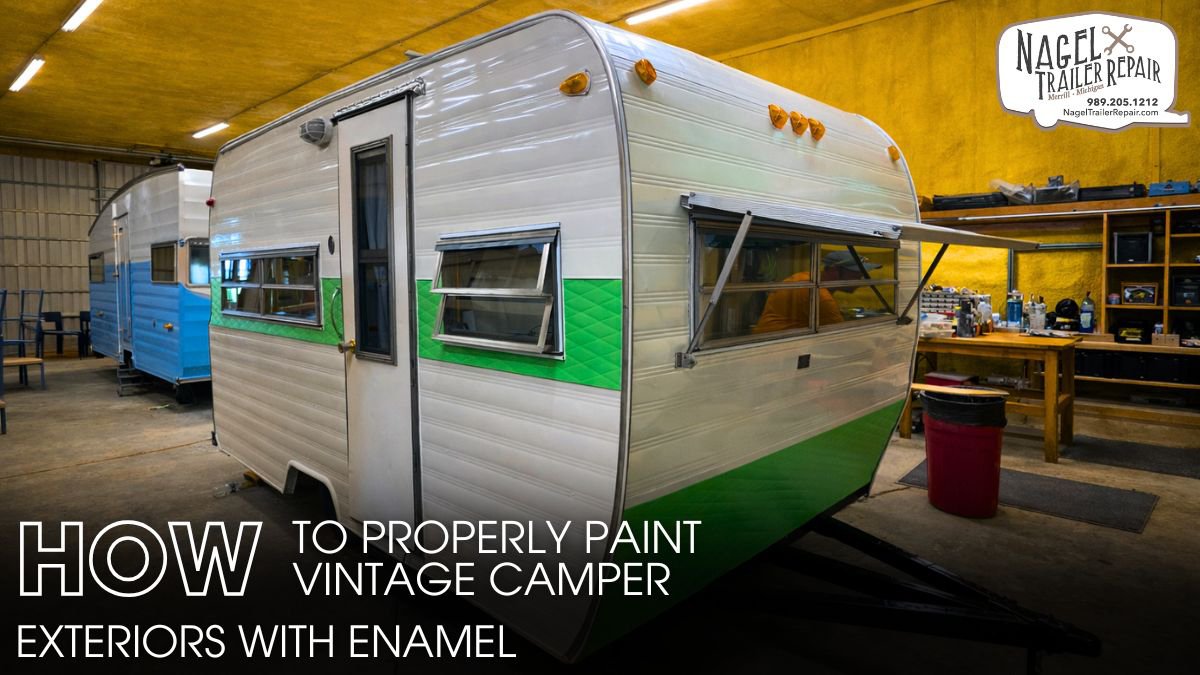
Restoring a classic camper turns heads and revives timeless charm, but nothing defines that transformation like a flawless enamel paint job. A well-painted exterior doesn’t just look stunning—it protects your investment and brings old memories back to life.
Many owners struggle with peeling paint, hidden rust, and uneven finishes that ruin the final result. Without the right prep and technique, even high-quality enamel can fail, leaving you frustrated and wasting time and money on repeated fixes.
This guide simplifies everything you need to know, from prep to final coat, so you can achieve a smooth, durable finish with confidence. Whether you’re tackling a DIY project or exploring vintage camper repair in Michigan, you’ll learn how to get professional-level results.
Vintage Camper Painting:
When you paint a vintage camper, you do much more than improve its appearance—you actively protect its structure and extend its lifespan. Years of exposure to sunlight, rain, and road debris gradually weaken the exterior surface. Paint begins to fade, crack, and peel, leaving the material underneath exposed and vulnerable.
You can prevent this deterioration by applying enamel paint, which forms a tough, protective shell once it cures. This coating resists moisture, blocks UV damage, and adds a classic glossy finish that enhances the camper’s vintage charm. When you invest time in painting properly, you also increase the resale value and preserve the camper’s nostalgic appeal.
A well-executed enamel paint job delivers several benefits:
- It protects against rust and corrosion
- It creates a durable, weather-resistant surface
- It restores the camper’s original aesthetic appeal
- It reduces long-term maintenance requirements
When you handle the process thoughtfully and pay attention to every detail, your camper becomes far more than just a basic vehicle. Careful work ensures durability, reliability, and long-term usability, making it a dependable companion for your journeys.
At the same time, precision and effort elevate its visual appeal, transforming it into something truly eye-catching. The result is a camper that not only performs well but also stands out with a distinctive and polished look.
Tools and Materials Needed:
Preparing properly before you begin any project gives you a clear advantage. When you take time to collect all the essential tools and materials in advance, you create a smoother workflow and reduce avoidable interruptions. This initial step helps you stay focused and organized from start to finish.
Using reliable, high-grade equipment plays a key role in the overall outcome. Quality tools not only improve precision but also make the process more efficient. They allow you to work with confidence, knowing your results will meet higher standards.
In contrast, poor preparation or subpar materials can slow you down and affect the final finish. By investing in the right resources early on, you ensure a cleaner, more polished result while minimizing errors and unnecessary complications.
You should prepare the following essentials:
- Sandpaper in multiple grits for different stages
- A power sander or sanding block
- Automotive-grade primer
- High-quality enamel paint
- Paint thinner or reducer for proper consistency
- Spray gun, brushes, or foam rollers
- Masking tape and protective coverings
- Clean microfiber cloths for wiping surfaces
You must also prioritize safety throughout the process. Always use:
- A respirator mask to avoid inhaling fumes
- Protective gloves to handle chemicals safely
- Safety goggles to shield your eyes
Using high-quality tools and reliable materials plays a crucial role in achieving a smooth and efficient painting workflow. As a vintage trailer repair Michigan expert, you’ll find that better equipment allows for improved control, helping you apply paint evenly while minimizing common issues like streaks or uneven coverage.
By choosing dependable supplies from the start, you can maintain consistency throughout every step of the project. This not only reduces the chances of mistakes but also ensures a more professional and long-lasting finish.
Inspect Camper Exterior:
Before starting any hands-on work, take time to thoroughly examine the camper’s outer surface. A careful inspection allows you to spot cracks, rust, peeling paint, or other signs of wear that might need attention before painting begins. Looking closely at every section ensures nothing is overlooked.
This initial assessment also helps you understand how much preparation will be necessary. By identifying problem areas early, you can plan repairs, cleaning, and surface treatment more effectively, leading to a smoother and longer-lasting finish.
Look closely for:
- Rust patches and corrosion spots
- Cracks in fiberglass or metal panels
- Peeling or flaking paint
- Dents and uneven surfaces
- Signs of water damage around seams
Ignoring these problems can lead to bigger complications down the line. Applying paint over compromised surfaces might seem like a quick fix, but it often results in premature peeling, bubbling, or cracking. This not only affects the appearance but also forces you to repeat the entire process sooner than expected.
Many camper owners eventually recognize that handling such issues alone can be time-consuming and costly. Seeking professional assistance at the right stage helps avoid repeated effort and unnecessary expenses. Experts can accurately identify hidden damage that may not be visible at first glance.
Opting for camper repair Michigan services ensures that underlying structural concerns are properly resolved before painting begins. With a solid and well-prepared surface, the new coating adheres better and lasts longer. This careful approach ultimately enhances durability and delivers a more polished and reliable finish.
Surface Cleaning Process:
A durable and professional-looking paint finish is impossible if the surface is not properly cleaned beforehand. Any traces of dirt, grease, or old residue act as a barrier, preventing the enamel from bonding effectively. Skipping this step often leads to peeling, uneven coverage, and a shorter lifespan of the paint job.
Begin the process by thoroughly washing the camper using a high-quality degreasing solution. This helps break down stubborn oils, road grime, and environmental buildup that standard cleaning methods may not remove. Take your time to ensure every visible area is treated and rinsed properly.
Once the surface is dry, go over it again using a suitable solvent to eliminate any remaining contaminants. Pay close attention to tight corners, seams, and edges, as these areas tend to trap dirt and residue. Proper cleaning in these spots ensures better paint adhesion and a smoother final finish.
To clean effectively, you should:
- Use automotive cleaners instead of household detergents
- Avoid leaving any residue behind
- Rinse thoroughly with clean water
- Allow the surface to dry completely before proceeding
Thoroughly cleaning the surface is a crucial first step that directly impacts the overall quality of your project. Removing dirt, grease, and old residues ensures that the material is free from anything that could interfere with the next stages.
Once the surface is properly prepared, it allows sanding, priming, and painting to adhere more effectively. This solid base not only improves the finish but also enhances durability—something every camper restoration Michigan shop relies on to ensure the final result lasts longer and looks more professional.
Sanding and Preparation Work:
You start by preparing the surface through thorough and even sanding, ensuring every area is treated with care. This stage is essential for achieving a durable paint finish, as it clears away worn coatings, levels out uneven spots, and builds a slightly rough texture that helps fresh paint adhere properly. Taking time here improves both the appearance and longevity of the final result.
Initially, use a rough-grit sandpaper to remove flaking paint, corrosion, or stubborn residues from the surface. Once the damaged layers are cleared, move on to finer grits to smooth out any remaining marks and create a uniform base. This gradual progression not only refines the surface but also minimizes visible scratches, leaving it ready for a clean and professional paint application.
Follow these sanding practices:
- Work in even, controlled motions
- Blend edges to avoid visible transitions
- Remove all sanding dust before moving forward
- Take your time to ensure a uniform finish
Getting this step right is essential because it lays a strong foundation for everything that follows. When done with care and attention, it ensures the surface is properly prepared, allowing the paint to adhere evenly and perform as expected over time.
By taking the time to handle this stage correctly, you reduce the chances of imperfections later on. A well-prepared base, much like ensuring quality vintage camper repair in Michigan, ultimately leads to a smoother, more professional-looking finish that enhances both durability and appearance.
Repair and Priming:
Once the sanding process is complete, it’s important to address any noticeable flaws or damage on the surface. Cracks, dents, or uneven areas should be properly fixed at this stage to prevent them from affecting the overall finish later. Taking time to correct these imperfections helps create a more uniform base for the next steps.
By repairing these issues before applying primer, you ensure the surface remains firm and even beneath the paint layers. This preparation step plays a key role in achieving a smooth, long-lasting finish, allowing the final coating to adhere better and appear more polished.
You can improve the surface by:
- Filling dents with body filler
- Sealing cracks and joints
- Treating rust with specialized solutions
- Sanding repaired areas until smooth
After completing all necessary repairs, the next essential step is applying a premium-grade primer. This layer plays a critical role in helping the paint bond effectively to the surface, reducing the chances of peeling or chipping over time. A good primer also contributes to a smoother finish and supports even color distribution across the camper exterior.
Using a reliable primer not only strengthens durability but also enhances the overall appearance of the final paint job. It seals imperfections, prevents stains from bleeding through, and creates a uniform base that allows the topcoat to perform at its best. Skipping this step can compromise both longevity and visual appeal.
For campers that need significant structural or surface restoration, seeking expert help can be a smart investment. Professional camper restoration Michigan shops provide advanced tools, skilled workmanship, and thorough surface preparation, ensuring your camper is restored with precision and built to last.
Choosing Enamel Paint:
Selecting the appropriate enamel paint is essential if you want a finish that is both long-lasting and visually attractive. Not all enamel paints are created equal—each type is formulated with specific properties that influence how well it resists wear, weather conditions, and surface damage. Taking the time to understand these differences will help ensure your paint job maintains its quality over time.
You should also consider where and how the painted surface will be used before making a decision. Environmental factors such as moisture, sunlight exposure, and temperature changes can impact performance. By choosing an enamel paint tailored to your specific needs and surroundings, you can achieve a result that is both durable and aesthetically pleasing.
You can choose between:
- Oil-based enamel for maximum durability and gloss
- Water-based enamel for easier application and cleanup
Consider these factors when selecting paint:
- Weather conditions in your region
- Desired finish, such as glossy or matte
- Compatibility with your primer and surface material
Choosing the appropriate paint not only improves the visual appeal of a camper but also creates a durable barrier that shields it from harsh weather conditions, moisture, UV rays, and other environmental factors that can cause wear and damage over time, making it a key consideration for vintage camper repair in Michigan.
Painting Techniques:
Great results with enamel paint come from a steady, deliberate approach rather than speed. Taking your time allows you to maintain control over each stroke, helping the paint settle evenly and reducing the chances of visible brush marks or drips. Patience is key to achieving a clean, professional look.
Instead of applying thick coats all at once, work in light, consistent layers. Thin applications dry more uniformly and bond better to the surface, creating a durable and refined finish. This method also gives you the flexibility to correct minor imperfections as you go.
By gradually building up coverage, you create a smoother and more polished appearance. Each layer adds depth without overwhelming the surface, resulting in a finish that looks balanced, even, and visually appealing.
Use these techniques for optimal results:
- Apply multiple thin coats rather than one thick layer
- Maintain steady, consistent strokes
- Keep a uniform distance when spraying
- Allow each coat to dry before applying the next
Steer clear of frequent errors like loading too much paint onto your brush or working in poor weather conditions. Excess paint can lead to uneven coverage, while humidity, wind, or extreme temperatures can interfere with proper drying and adhesion, ultimately affecting the final appearance.
By maintaining a steady, methodical approach throughout the process, you ensure better control and consistency. Careful application helps you achieve a smooth, refined finish that looks professional, free from visible streaks, drips, or patchy areas.
Drying and Curing Time:
It is important to give the paint enough time to properly dry and cure so it can achieve maximum durability. Rushing this process can weaken the finish and reduce its overall lifespan. Patience at this stage ensures a more professional and long-lasting result.
Drying refers to the stage where the paint becomes safe to touch and no longer feels wet. Although the surface may seem ready, the layers underneath are still settling and have not reached their full strength. This phase mainly affects the outer layer.
Curing, on the other hand, is a deeper process where the paint fully hardens and bonds. During curing, the coating gains its toughness and resistance to wear. Allowing complete curing time ensures the paint performs at its best under different conditions.
To achieve proper results, you should:
- Follow manufacturer-recommended drying times
- Ensure good ventilation in your workspace
- Protect the camper from moisture during curing
- Wait several days before exposing it to heavy use
Giving proper attention to this stage safeguards all the effort you have already invested. It acts as a crucial step that locks in the quality of your work, preventing avoidable flaws and ensuring everything holds together as intended. Any camper repair Michigan specialist would emphasize that skipping or rushing it can undo hours of careful preparation.
By handling this phase with care, you help the paint maintain its strength and finish over time. This not only enhances durability but also keeps the surface looking fresh and well-maintained for years, reducing the need for frequent touch-ups or repairs.
Camper Care and Maintenance:
Once the painting is finished, consistent upkeep is essential to retain both the look and strength of the surface. Routine maintenance helps protect the coating from wear caused by weather, dust, and daily use, ensuring the finish remains smooth and visually appealing over time.
By following simple care practices such as gentle cleaning and periodic inspections, you can extend the life of the paint. This proactive approach reduces the chances of fading, cracking, or peeling, allowing your camper to maintain a clean, refreshed appearance for years.
You can maintain your camper by:
- Washing it with mild soap and water
- Avoiding abrasive cleaning tools
- Applying wax to protect the paint
- Repairing chips and scratches promptly
Even with consistent care and attention, exterior surfaces inevitably begin to show subtle signs of aging. Exposure to changing weather conditions, UV rays, and regular use can gradually diminish the finish, making once-vibrant surfaces appear dull or slightly worn over time.
When these signs become noticeable, addressing them promptly helps prevent further deterioration. Small cracks, fading paint, or minor corrosion can quickly escalate if left unattended, ultimately affecting both the appearance and structural integrity of the trailer’s exterior.
In such situations, professional vintage trailer repair services in Michigan offer a reliable solution. Skilled specialists can restore the outer surface with precision, preserving its original character while enhancing durability, so your trailer continues to reflect its timeless appeal for years to come.
The Role of Professional Maintenance:
You can handle many restoration tasks on your own, but professional maintenance often makes the difference between a short-term fix and long-lasting results. When experts step in, they don’t just improve how your camper looks—they strengthen its durability and protect it from future damage.
A properly painted exterior requires more than just applying enamel. Professionals prepare surfaces thoroughly, treat hidden rust, and apply coatings with precision so the finish stays smooth and resilient over time. Their experience helps avoid common mistakes that can lead to peeling or uneven coverage.
At the same time, small components like roof vents need regular attention. Professionals inspect seals, clear debris, and ensure proper ventilation to prevent leaks and moisture buildup. By trusting skilled technicians, you protect your camper from water damage while keeping it road-ready and reliable for years
Conclusion:
Painting a vintage camper exterior with enamel demands precision, patience, and the right process from start to finish. When done correctly, it not only enhances visual appeal but also protects against rust, weather damage, and long-term wear. Each stage—from inspection and preparation to painting and curing—plays a critical role in achieving a durable, professional finish that lasts for years.
For owners who want flawless results without the risk of costly mistakes, choosing Nagel Trailer Repair for expert vintage camper repair in Michigan, can make all the difference. Skilled professionals ensure proper surface treatment, high-quality application, and long-lasting protection, helping you preserve both the beauty and value of your camper.