


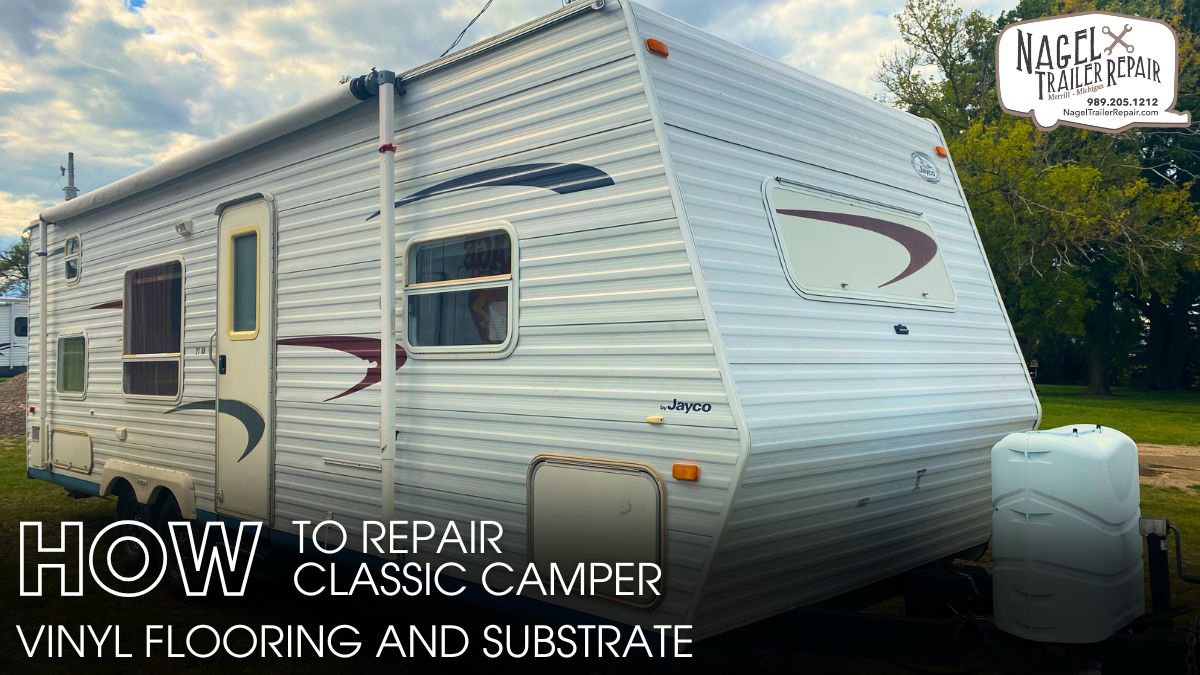
Restoring a vintage RV demands precision, and few tasks reveal hidden issues faster than flooring work. Classic camper interiors often conceal moisture, wear, and structural fatigue beneath outdated vinyl. For anyone pursuing classic camper repair Michigan services, the floor is one area you cannot ignore.
Older vinyl layers trap damage that spreads quietly through the substrate. Soft spots, mold, and warping compromise safety and reduce long-term durability. Many owners discover these problems only after they begin a remodel, when it becomes clear the surface needs more than cosmetic fixes.
This guide promises a clear, technical, and practical process to restore both vinyl flooring and the underlying structure. You will learn how to diagnose issues accurately, repair the substrate correctly, and install new flooring that supports reliable performance for years of travel.
Assessing Floor Condition:
Repairing a classic camper floor always starts with a detailed assessment. Vintage RVs often hide years of moisture intrusion under their vinyl surfaces, especially in climates with wide temperature swings. If you are involved with a camper repair Michigan shop, you know how humidity, road salt, and seasonal condensation can quietly damage a floor.
Begin by walking the entire space. Look for changes in texture, color, or shape. Warped flooring, discolored edges, and raised bubbles usually indicate deeper issues below the vinyl. Take your time with this inspection; the more you understand before removing material, the smoother the repair will be.
Use simple tools—a moisture meter, flashlight, and a small probe—to evaluate problem areas. Soft sections often signal weakened plywood. Dark stains and musty odors usually reveal mold. Mapping these zones gives you a clear plan for cutting out and rebuilding the affected substrate.
During this phase, make sure you:
- Use a moisture meter to confirm water-affected areas.
- Inspect around sinks, showers, and entry doors for hidden leaks.
- Press gently across the surface to find soft or flexible spots.
- Probe suspect areas with a screwdriver to test wood strength.
- Take notes or photos to document issue locations.
A thorough assessment prevents mistakes and prepares you for a cleaner, safer restoration—especially in older units undergoing restoration work.
Preparing the Work Area:
Once you understand the condition of the floor, prepare the workspace for safe and efficient repairs. Older campers typically have tight interiors, so clearing the area is essential. Removing built-in furniture or trim frees the floor and prevents damage when you lift the vinyl or replace substrate panels. This step often takes time, but it saves you headaches later.
Begin by disconnecting any appliances or components connected to the floor. Unscrew cabinets and dinette bases if they sit on top of the vinyl. Many vintage RVs were built with flooring installed before cabinetry, so expect to remove at least some fixtures.
Next, work on the vinyl. Heat helps loosen old glue, especially in trailers that have been through decades of temperature changes. When tackling a camper restoration Michigan project, winters may have made the adhesive particularly brittle; once it softens with heat, pull the vinyl slowly to avoid splintering the wood beneath.
After removing the vinyl, clean the entire surface. A clean floor helps you spot problems and gives you a safer environment to work in.
Key preparation tasks include:
- Remove furniture, cabinets, and appliances blocking the floor.
- Detach trim and vent covers without cracking the original material.
- Use heat to soften adhesive and peel off vinyl more easily.
- Scrape any lingering residue using a floor scraper.
- Vacuum and disinfect the exposed substrate to remove mold and debris.
Proper preparation sets the tone for the rest of the project and ensures you have a stable, clean area for rebuilding.
Repairing the Substrate:
The substrate is the structural backbone of your camper floor. When moisture damages this layer, you must repair it thoroughly before installing new vinyl. Most structural failures in older RVs result from long-term leaks, aging sealants, and years of flexing while on the road. If you regularly work with a classic trailer repair Michigan shop, you know how often floors require partial or full rebuilds.
Start by cutting out damaged sections of the substrate. Use a circular saw set to the correct depth so you don’t accidentally hit wiring or frame rails. Remove all material affected by rot or mold; leaving compromised wood in place will eventually cause new flooring to fail.
Once you open the substrate, inspect the framing underneath. Classic campers built in earlier decades often used untreated wood, which absorbs moisture easily. Strengthening weak supports ensures your new floor sits on a solid base.
Use high-quality materials for the rebuild. Marine-grade or exterior plywood withstands moisture better and resists warping during seasonal temperature changes. Secure the new panels tightly and seal gaps to prevent future water infiltration.
Important substrate repair actions include:
- Cut and remove all areas weakened by rot, mold, or moisture.
- Inspect floor joists and replace or reinforce damaged ones.
- Use construction adhesive and corrosion-resistant screws to secure new panels.
- Fit plywood patches tightly for consistent support across the entire floor.
- Seal edges and openings to block moisture from future leaks.
- Sand transitions to create a perfectly level foundation.
A strong, uniform substrate ensures the underlayment and vinyl last for years without shifting or loosening.
Installing New Underlayment:
Once the substrate is solid, install new underlayment to create a smooth, clean base for the vinyl. Many vintage campers have uneven surfaces due to age, previous repairs, or manufacturing variations. Replacing the underlayment solves this problem and gives your flooring a professional appearance.
Measure the floor carefully. Classic campers rarely use perfect square angles, so templates can help you capture wall curves or tight corners. Once measured, cut the underlayment panels and dry-fit them to ensure accuracy.
A good installation prevents movement, squeaks, or raised seams. Fasten the panels securely and make sure each screw head sits flush. Any raised fastener will show through the vinyl later.
To prepare the underlayment properly:
- Use cardboard templates for complex shapes.
- Leave a small expansion gap around the perimeter.
- Stagger seams to increase structural strength.
- Fasten panels with ring-shank nails or flooring screws.
- Sand any high spots or seams for a smooth surface.
- Apply leveling compound where needed.
- Vacuum thoroughly before applying adhesive.
A well-installed underlayment makes the vinyl installation smoother and greatly improves the longevity of your flooring—especially in climate-affected regions where camper repair Michigan services must consider seasonal changes.
Laying the Vinyl Surface:
With the foundation ready, you can install the vinyl surface. Modern vinyl sheets deliver excellent durability, water resistance, and low maintenance—qualities that suit classic campers perfectly. To achieve a clean, long-lasting finish, install the vinyl with precision.
Start by dry-fitting the vinyl. This step helps you align patterns, plan seams, and ensure clean transitions near cabinets or doors. Once satisfied with placement, lift the sheet and prepare the adhesive.
Follow the adhesive manufacturer’s instructions carefully. Spread the adhesive in even, consistent lines using a notched trowel—a key step in any classic camper repair Michigan project. Work in sections so you can position the vinyl smoothly without rushing.
After laying the sheet, roll the surface to remove air pockets and secure the bond. A floor roller creates a uniform attachment that prevents bubbling or lifting later.
For best results:
- Dry-fit vinyl to ensure alignment before applying glue.
- Cut openings carefully around vents and plumbing.
- Spread adhesive evenly to avoid lumps or weak spots.
- Lay vinyl slowly to prevent air pockets or wrinkles.
- Roll the floor thoroughly to create a tight bond.
- Seal edges with waterproof sealant.
- Allow the floor to cure fully before reinstalling fixtures.
A properly installed vinyl surface gives your classic camper a clean, polished look and enhances structural stability.
Final Checks and Care:
Before you reinstall furniture, complete a thorough final inspection. This step ensures your repairs hold up under real-world use. Many specialists in classic trailer repair Michigan shops, emphasize the importance of this stage because small oversights can turn into bigger problems over time.
Walk the floor slowly and pay attention to how it feels. Notice any flexing, soft spots, or noises. Inspect seams, transitions, and adhesive lines to confirm everything bonded correctly.
Once you confirm the installation’s stability, establish a routine maintenance plan. Vinyl flooring requires minimal care, but classic campers benefit from regular inspection because moisture, travel vibrations, and temperature changes can affect flooring over time.
Good maintenance practices include:
- Inspecting for moisture every few months.
- Resealing edges annually to maintain water resistance.
- Avoiding heavy dragging that could damage vinyl.
- Using mild cleaners to protect the finish.
- Monitoring plumbing and exterior seals for leaks.
- Keeping the camper ventilated during storage.
Routine care helps your new floor stay strong, attractive, and safe for future travel.
The Role of Professional Maintenance:
Professional maintenance plays a vital role in keeping a vintage camper safe, durable, and easy to enjoy. Skilled technicians know how to spot early signs of flooring damage, moisture intrusion, and substrate deterioration long before major problems appear.
Their experience ensures every repair is done correctly, from rebuilding weakened subfloors to installing new vinyl that bonds cleanly and lasts under constant travel stress. Professional service also helps owners understand repair costs with clarity.
Technicians provide detailed estimates, explain labor requirements, and identify which components truly need replacement. This transparency prevents overspending and helps owners prioritize essential structural work over cosmetic upgrades. Regular expert inspections reduce long-term repair expenses and protect the value of your classic camper.
Conclusion:
Nagel Trailer Repair knows that restoring vintage RV vinyl flooring and substrates breathes new life into classic interiors. By inspecting carefully, rebuilding sections, and installing strong underlayment, you create a durable surface for years on the road. Each step strengthens the camper while preventing future moisture problems.
For any classic RV restoration—personal or professional—this flooring overhaul improves structural reliability, safety, and comfort. A resilient floor also boosts long-term value and makes every trip more enjoyable.
If you’re seeking expert classic camper repair Michigan services, these methods deliver a water-resistant, visually updated floor that respects original character while providing the modern strength and performance you expect today.