

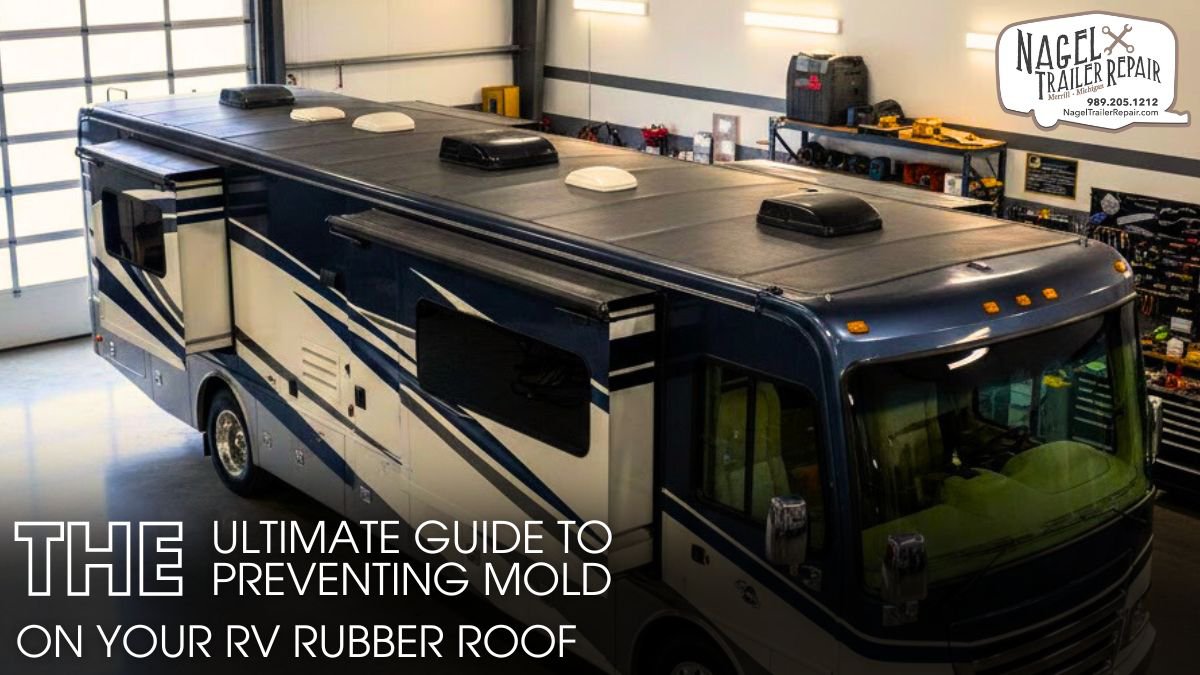
Mold on your RV’s rubber roof can quickly turn a fun road adventure into an expensive headache. It spreads fast, damages materials, and affects the appearance of your rig.
Many RV owners ignore early signs of mold until it leads to costly fixes or full RV roof repair Michigan services.
This guide explains exactly how to stop mold before it develops and how to keep your RV roof clean, protected, and ready for travel.
Understanding RV Roof Mold:
Mold forms when moisture, organic particles, and darkness combine—conditions that are common on an RV roof. Even though rubber roofs are built to withstand outdoor exposure, their porous texture can hold dirt and moisture long enough for mold to take root. In states like Michigan, where rain, humidity, and snow come in waves throughout the year, these conditions become even more favorable for mold growth. This is why many RV owners seek dependable RV roofing Michigan services to reinforce their roofs against the elements.
When mold settles on a rubber roof, it starts by clinging to the outer layer. If it stays long enough, the spores slowly penetrate the membrane, weakening the material and discoloring the surface. Over time, moisture may seep through seams or around roof fixtures, which can cause ceiling stains, soft spots, or insulation damage. These issues can grow into costly repairs, sometimes requiring extensive repair work to restore the roof and interior to safe condition.
Mold also accelerates wear on protective coatings. When dirt and organic debris sit on the roof for months, the roof coating loses its ability to repel moisture and UV rays. The result is a roof that becomes more vulnerable each season. Understanding these risks helps you stay ahead of mold rather than reacting to damage after it appears.
Common mold-encouraging conditions include:
- Parking under trees for extended periods
- Standing water after storms
- Dry, cracked, or failing sealants
- Poor roof airflow during storage
- Lack of routine cleaning or inspections
- High ambient humidity inside or outside the RV
Knowing how mold forms makes prevention much easier. With regular care and attention to early signs, you can protect the roof and prevent expensive repairs later.
Early Signs to Watch For:
Early detection is the difference between a quick afternoon cleaning and a major roof remediation. Mold doesn’t always appear all at once. It often begins with light discoloration or faint markings that seem harmless at first glance.
You might notice:
- Tiny black, gray, or green dots
- Slightly darker patches that look like dirt
- Areas that feel slick or slimy when wet
- Subtle musty odors near upper cabinets
- Streaks that don’t rinse off with water
While the stains might seem minor, they typically indicate the start of mold growth. A musty smell is especially important to address because it often means moisture is sitting beneath the membrane or collecting around roof components. This kind of hidden moisture can lead to soft roofing, sagging ceiling panels, or water trails during storms—issues that commonly lead trailer owners to seek RV roof repair Michigan solutions.
Cracking sealants or peeling lap joints are also early red flags. When sealants lose flexibility, water can slip into seams and remain trapped for days. That trapped moisture becomes a breeding ground for mold. The sooner you identify cracks, the easier it is to reseal the area and stop mold from forming.
Michigan’s climate is another factor to consider. Frequent temperature swings cause condensation inside the RV, especially when heated indoor air meets cold exterior surfaces. If you notice interior condensation near roof vents or ceilings, it’s time to check the roof.
Proactive visual inspections after long trips, storms, and seasonal changes help you identify mold early and prevent larger repairs.
Cleaning Tools & Products:
Cleaning a rubber roof properly requires the right tools and solutions. Using harsh chemicals may strip the membrane, weaken adhesives, or cause permanent discoloration. This is why rubber-safe RV cleaning products are essential.
Recommended tools include:
- Soft-bristle brushes for safe scrubbing
- Microfiber cloths for wiping and rinsing
- A sturdy ladder or RV roof access system
- A gentle garden hose for rinsing
- Rubber-compatible cleaners designed for EPDM/TPO roofs
Avoid abrasive tools such as scrubbing pads, steel brushes, or pressure washers. High-pressure water can damage sealants, lift edges, or push water into seams. Once water slips beneath the membrane, mold can grow where you can’t see it.
Rubber-roof cleaners break down mold and mildew without degrading the surface. Many of these cleaners also condition the rubber, helping it resist UV damage and cracking.
Once your roof is clean, you can reinforce protection with a high-quality sealant or roof treatment. These coatings create a smooth, moisture-resistant layer that makes mold growth far less likely. They also reduce staining and improve long-term durability. Many RV owners turn to camper roof sealing Michigan products to protect their rigs against Michigan’s frequent humidity and seasonal weather swings.
When selecting a sealant or coating, look for:
- UV protection
- Compatibility with your membrane
- Flexibility during cold and hot seasons
- Longevity and ease of reapplication
Using the right cleaning and sealing products gives your roof the best chance at long-term mold resistance.
Step-by-Step Cleaning:
A thorough cleaning routine keeps mold from taking hold and helps you maintain a healthy roof surface. Start by removing loose debris such as leaves, pine needles, and dust. This prevents organic matter from trapping moisture.
Rinse the roof with clean water to loosen dirt. Once the surface is wet, apply your rubber-safe roof cleaner in manageable sections. Use a soft brush to gently scrub away mold, paying attention to areas around vents, skylights, and air-conditioning units.
When scrubbing:
- Apply even pressure
- Work in consistent strokes
- Focus on shaded or previously mold-affected areas
- Avoid over-scrubbing to prevent membrane wear
After scrubbing, rinse the roof thoroughly. It’s important to remove all traces of the cleaning formula because leftover cleaner can hold moisture and attract dirt.
Let the roof dry completely before applying any protective treatment. Drying prevents moisture from getting sealed beneath coatings, where mold can develop unnoticed. Michigan’s humid weather makes this step especially critical, so choose a warm, dry day with plenty of sunlight.
Once the roof is dry, consider applying a rubber roof protectant. These coatings provide UV defense, reduce dirt buildup, and strengthen the membrane. They also make future cleaning easier and help you avoid major RV roofing Michigan problems caused by long-term exposure.
To stay safe during cleaning:
- Wear shoes with strong traction
- Keep tools organized and secure
- Avoid walking near edges
- Have a spotter if possible
A consistent, well-executed cleaning process keeps mold under control and preserves the roof for years.
Long-Term Prevention:
Long-term mold prevention requires a simple but disciplined routine. Cleaning the roof every 60–90 days keeps dirt from accumulating and robbing the membrane of its protective qualities. Because mold requires organic matter to grow, a consistently cleaned roof is far less likely to develop issues.
Inspecting sealants is equally important. Over time, sealants dry out and lose elasticity, especially in regions with fluctuating temperatures. Michigan’s freeze-thaw cycles increase stress on lap joints and edges, making them more vulnerable to cracking. Resealing any compromised areas helps stop water intrusion before mold can form.
Effective mold prevention strategies include:
- Parking in sunlight when possible
- Avoiding prolonged storage under trees
- Allowing interior moisture to escape using roof vents
- Clearing gutters and drainage channels
- Using breathable RV covers instead of plastic tarps
Ventilation plays a major role. If you store your RV for months, stale indoor air increases humidity inside the cabin. That moisture gradually migrates upward and contributes to mold growth. Opening roof vents periodically or using a dehumidifier reduces this risk.
Seasonal conditions also matter. Snow that lingers on the roof can create long-term moisture pockets. Clearing snow promptly and checking for ice buildup around vents maintains a dry, healthy roof.
With consistent upkeep, you can significantly reduce the likelihood of needing major RV repair Michigan services related to mold or water intrusion.
Extra Pro RV Roof Repair Tips:
Beyond cleaning and sealing, you can adopt several professional techniques to keep mold away. Timing is one of the most overlooked factors. Cleaning the roof on warm, dry days ensures quicker drying and prevents moisture from becoming trapped.
Storage choice is another key strategy. Covered storage protects the roof from rain, snow, and falling debris. If covered storage isn’t available, a high-quality breathable cover helps repel moisture while still allowing the roof to ventilate.
Additional best practices include:
- Inspecting the roof monthly
- Checking interior ceilings for damp spots
- Reapplying protective coatings annually
- Documenting maintenance to track roof health
- Monitoring weather before applying sealants
These habits help you catch minor issues early before they escalate into costly RV roofing Michigan services. A proactive approach keeps your RV roof strong, clean, and ready for any trip.
The Role of Professional Maintenance
Professional maintenance plays a vital role in keeping your RV roof protected and preventing long-term issues. A trained technician can spot early signs of mold, water intrusion, and membrane deterioration that most owners overlook. Their inspections ensure the roof stays clean, sealed, and structurally sound, which significantly reduces the risk of costly repairs later.
When damage does occur, expert documentation and professional RV repair Michigan services become essential for insurance claims. Professionals know how to photograph affected areas, record structural issues, and provide accurate repair estimates that insurers require. Their reports strengthen your claim, prevent disputes, and help you receive fair coverage for roof damage caused by storms, fallen branches, or leaks.
By partnering with qualified RV service providers, you protect your investment, maintain roof integrity, and streamline the insurance process when unexpected damage occurs.
Final Thoughts:
Protecting your RV rubber roof from mold is about more than just aesthetics; it’s about safeguarding your investment and ensuring worry-free travel. By prioritizing consistent cleaning, applying high-quality sealants, and performing routine inspections, you can avoid the structural damage and health risks associated with mold growth.
Implementing these simple maintenance strategies significantly reduces the need for extensive RV roof repair Michigan services, keeping your camper in peak condition for every season. Don’t wait for a leak to compromise your adventure. If you notice signs of deterioration or need professional assistance, the experts at Nagel Trailer Repair are here to help. Contact us today to schedule an inspection and keep your RV road-ready year-round!