

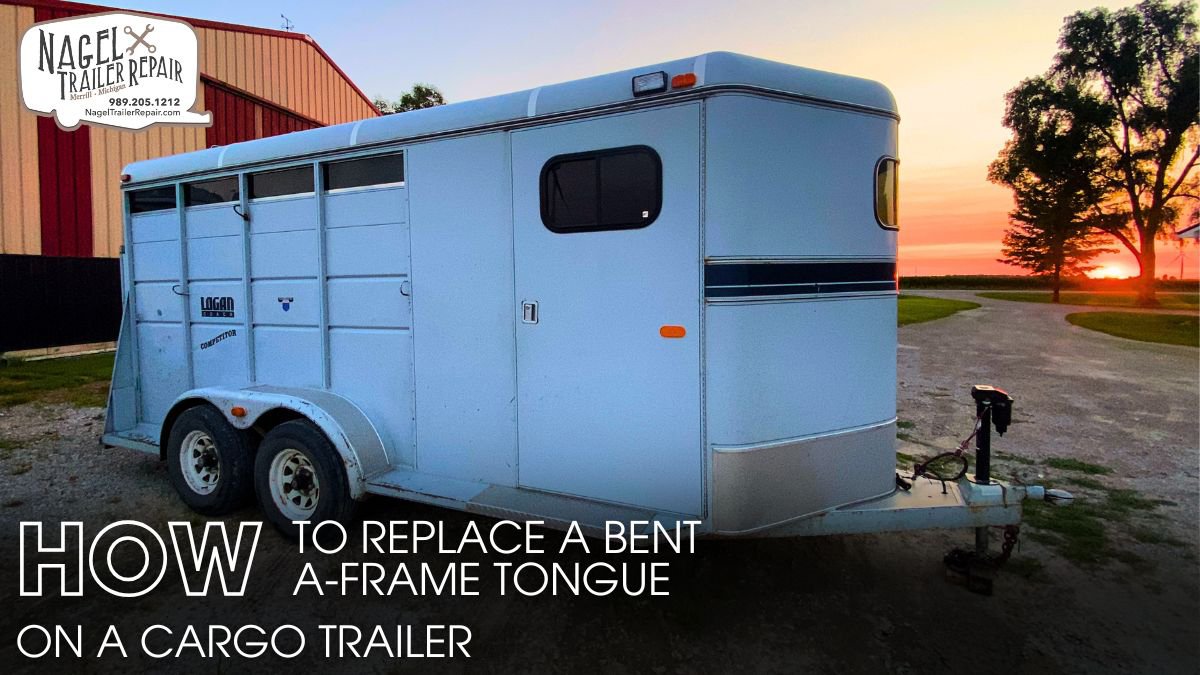
A bent A-frame tongue can turn a reliable cargo trailer into a serious safety risk in seconds. If you notice uneven towing, unusual sway, or visible damage up front, it’s a clear sign something isn’t right—and ignoring it can lead to bigger, costlier problems on the road.
Many trailer owners struggle with where to start. Repairing structural components sounds complex, and poor fixes can weaken the frame even more. Without the right approach, you risk misalignment, unsafe towing, and repeated damage.
This guide walks you through replacing a bent A-frame tongue step by step with clarity and confidence. You’ll learn the proper tools, techniques, and safety checks needed to restore strength, alignment, and reliability. While many owners handle these fixes themselves, others prefer the expertise of a professional cargo trailer repair shop in Michigan to ensure their trailer performs exactly like it should.
What is an A-Frame Tongue?
The A-frame tongue forms the front backbone of your cargo trailer. It connects the trailer body to the coupler and helps distribute weight evenly across both frame rails. Because of this, it plays a direct role in how smoothly and safely your trailer tows.
When the tongue bends, the trailer no longer tracks properly, which often serves as a primary warning sign that you need professional trailer maintenance and repair in Michigan. You may notice swaying, uneven tire wear, or significant difficulty controlling the trailer on the road.
Over time, this structural damage can put extra stress on other components and make towing unpredictable, potentially leading to costly breakdowns if not addressed by an expert technician.
Damage usually happens due to overloading, sudden impacts, jackknifing, or long-term rust. Instead of trying to force the metal back into shape—which weakens it further—replacing the tongue is the safer and more reliable option. For a step-by-step walkthrough, refer to a comprehensive trailer tongue replacement guide to ensure proper fit, welding techniques, and weight capacity compliance.
- Keeps towing stable and balanced
- Supports the coupler and chains
- Helps distribute trailer weight
- Prevents sway and misalignment
Safety Precautions:
Prioritize safety by prepping a secure workspace first. Since your project involves cutting and welding metal, following strict precautions is vital to prevent accidents. Ensure you have the proper gear and a clear area before starting any technical work.
Park the trailer on level ground and secure it with wheel chocks so it doesn’t move. If you’re planning A-frame trailer tongue repair, be sure to disconnect all electrical wiring to avoid accidental damage or shocks. Make sure your work area is clean and free from anything flammable.
Wear proper protective gear at all times. Gloves, safety glasses, and a welding helmet will protect you from sparks, debris, and heat. Good airflow is also important to avoid breathing in fumes—especially crucial when performing enclosed trailer repair in Michigan, where seasonal work in confined spaces demands extra caution.
- Wear gloves and eye protection
- Keep a fire extinguisher nearby
- Work in a well-ventilated area
- Remove flammable items
- Ensure trailer stays stable
Tools & Materials Needed
Using the right tools makes this job much easier and more accurate. Poor tools often lead to uneven cuts or weak connections, which is especially critical when following cargo trailer frame repair steps, where precision and structural integrity are essential for a safe, lasting result.
You’ll need an angle grinder or plasma cutter to remove the damaged section. A MIG welder works best for clean and strong welds, though a stick welder can also get the job done. Measuring tools like a tape, square, and level help you keep everything aligned.
When in Michigan you’re looking for trailer repair near me, the most critical step is selecting high-quality components for the job. Choose a replacement A-frame tongue that matches your trailer’s size and weight rating. Don’t compromise here—using the wrong size can create new problems instead of fixing the old one, potentially compromising your safety on the road.
- Angle grinder or cutting tool
- MIG or stick welder
- Measuring tape and level
- Clamps for positioning
- Replacement A-frame tongue
- Rust-resistant primer and paint
Inspecting the Damage:
Before you begin any work, take the time to carefully inspect the damage before removing anything. This thorough assessment ensures you understand the full extent of the problem and allows you to determine if the job requires the precision of a utility trailer repair Michigan expert or if it is a manageable DIY project.
Examine the bend and weld joints for hairline cracks, which can expand and compromise structural integrity. Additionally, ensure the trailer frame remains perfectly aligned and shows no signs of twisting or shifting. Checking these details now prevents major mechanical failures later.
To ensure the structural integrity of your trailer, start by measuring both sides of the frame to confirm everything remains perfectly symmetrical. If you notice the main frame is out of alignment, you must address that structural issue first; otherwise, you won’t be able to fix a bent trailer tongue safely or ensure a stable tow. Once the frame is squared, you can proceed with installing a new tongue.
- Check for cracks and stress points
- Inspect weld joints carefully
- Measure frame alignment
- Look underneath for hidden damage
Removing the Old Tongue:
Start by marking where you plan to cut. Clear, accurate markings help you avoid mistakes and keep the frame intact. The same principle applies to trailer hitch alignment tips: precise measurements and careful positioning ensure a secure fit, preventing unnecessary damage and guaranteeing that your setup is both safe and reliable for the road ahead.
Carefully extract the damaged tongue using your cutting tool, maintaining a slow and consistent pace to prevent harming the adjacent metalwork. It is vital to avoid rushing, as precision protects the structural integrity. After the piece is detached, use a grinder to eliminate remaining weld beads and sand the area until the surface is completely level and smooth for the next stage.
Preparing your equipment properly is the first step toward a safe haul. Clean the area thoroughly so the new tongue sits flush against the frame; this level of care is exactly what you’d expect from a professional cargo trailer service across Michigan. A clean surface ensures a stronger connection whether you weld or bolt it.
- Mark precise cut lines
- Cut slowly and carefully
- Grind away old welds
- Clean the mounting area
Preparing New Tongue:
Prior to securing the replacement tongue, verify that its specifications align perfectly with your trailer’s frame. Precision is paramount here; even a minor discrepancy in measurements can compromise the vehicle’s structural alignment and towing safety. Taking a moment to cross-reference the width and bolt patterns now prevents mechanical issues and uneven wear during transit later on.
Checking the alignment is arguably the most critical part of the fabrication process. Place the new tongue onto the frame and secure it with clamps. Step back and check that it lines up evenly from both sides; following a precise welding trailer tongue procedure ensures the structure is square and safe. Take your time here—this step determines how well your trailer will tow later.
To ensure structural integrity when bolting instead of welding, it is vital to drill clean and accurate holes. If you are handling a heavy-duty project and need professional advice or hardware, consulting a trailer repair shop in Michigan can provide the technical expertise required for a secure fit. You can also add reinforcement plates for extra strength to distribute the load more effectively.
- Confirm correct size and rating
- Clamp firmly in place
- Check alignment from all angles
- Drill holes if using bolts
Welding or Bolting?
Now it’s time to secure the new tongue. While welding gives you a strong, permanent bond, bolting allows for easier future adjustments—both of which are common techniques used in professional cargo trailer repair Michigan services to ensure long-term road safety.
When welding, start with small tack welds to secure the assembly. This allows you to verify alignment and make adjustments before committing to the final bond. Once everything is squared, apply consistent, even beads along every joint. This technique prevents structural weak spots and ensures a professional, durable finish. Accuracy at the start saves you from costly corrections later.
To ensure your trailer remains safe and tracks correctly on the road, structural integrity is key. During the trailer frame alignment process, if you bolt components together, use high-quality bolts and tighten them properly. Adding lock nuts helps prevent loosening over time due to road vibration, keeping the frame squared and secure.
- Start with tack welds
- Keep welds even and strong
- Use high-grade bolts if bolting
- Tighten all fasteners securely
Alignment & Leveling:
Proper alignment makes a big difference in how your trailer handles. Even a slight angle can cause significant stability problems while towing, which is why many owners choose to replace trailer coupler assembly components if they notice persistent tracking issues or structural wear.
To ensure your equipment remains roadworthy, measure from the coupler to both sides of the trailer to ensure it sits centered. Use a level to check that the tongue height matches your towing vehicle, a crucial step in professional trailer maintenance and repair in Michigan where fluctuating weather can affect towing alignment.
Refining your work now is far more effective than fixing mistakes after the fact. Take a moment to thoroughly review and adjust your attachment before you hit send. This proactive approach ensures accuracy, maintains your professional reputation, and eliminates the need for stressful corrections later. A little extra diligence today paves the way for a much smoother journey tomorrow, saving you time and preventing avoidable complications down the road.
- Measure both sides equally
- Check coupler height
- Use a level for accuracy
- Adjust before final fixing
Finishing Touches:
Once everything is secure, focus on finishing the job properly. Grind down any rough welds to create a clean surface and remove sharp edges. Whether you are patching a door or reinforcing the frame, precision is vital for long-term durability. If the structural damage feels beyond your DIY skills, consulting an enclosed trailer repair Michigan expert ensures your equipment remains roadworthy.
Taking the time to refine your metalwork prevents rust and keeps your trailer looking professional. Apply a rust-resistant primer followed by paint to protect the metal from corrosion. This step helps extend the life of your repair.
Once you have completed the cargo trailer structural repair, ensure the unit is road-ready by performing a final safety check. Reconnect all electrical wiring, secure the safety chains, and reset the trailer jack. It is vital to make sure all components are properly installed and working as expected before departure. Taking the time to verify the integrity of these systems after any major frame or body work guarantees that your equipment remains safe and reliable for the long haul.
- Smooth rough welds
- Apply primer and paint
- Reattach wiring and chains
- Check all components
Final Inspection & Test:
Ensuring your equipment is in peak condition is the difference between a smooth haul and a roadside nightmare. Before you hit the road, go through a full inspection. Check every weld, bolt, and joint to ensure everything is secure. If you spot structural fatigue or rusted components, don’t risk a breakdown.
Searching for professional “trailer repair near me” can help you find experts to reinforce your rig, keeping your cargo safe and your journey on schedule. Safety starts in the shop.
Once you have completed your project using a reliable trailer tongue installation guide, it is time for a final safety check. Hook the trailer to your vehicle and take it for a short test drive. Start slowly, paying close attention to how the setup feels under tension.
Look for smooth tracking, stable handling, and an absence of unusual noises. This verification ensures your DIY installation is secure and road-ready before you head out on a long haul or navigate busy highways. After the test, recheck all connections. This final step confirms that your repair is solid and ready for regular use.
- Inspect all connections
- Test drive at low speed
- Watch for stability issues
- Recheck after testing
The Role of Professional Maintenance:
When structural damage affects a cargo trailer, experience matters more than guesswork. A trained technician understands how load paths, weld integrity, and frame geometry work together, so they don’t just fix what’s visible—they restore the trailer’s overall balance and strength. What looks like a simple bend or slight frame twist can hide deeper stress issues that only proper inspection tools and expertise can reveal.
Professional maintenance also ensures precision. From cutting and fitting new components to correcting alignment and reinforcing weak points, every step follows proven standards. This reduces the risk of uneven towing, premature wear, or repeat damage. Skilled hands also use the right materials and techniques, which directly impacts long-term durability.
Most importantly, it saves time and prevents costly mistakes. Instead of trial-and-error repairs, you get a reliable solution that keeps your trailer safe, stable, and road-ready for the long haul. When you search for “cargo trailer repair near me“, you connect with experts who ensure every component is properly serviced, giving you true peace of mind on the road.
Conclusion:
Replacing a bent A-frame tongue is more than just fixing a damaged part—it’s about making your trailer safe and reliable again. When you handle the process carefully, you reduce risks and improve overall performance.
By taking your time with inspection, alignment, and installation, you set yourself up for a successful repair. Using the right tools and paying attention to detail makes all the difference.
Maintaining your equipment is key to safety. Once the job is done, regular checks at a professional cargo trailer repair shop in Michigan will help you keep everything in good condition. Experts like those at Nagel Trailer Repair ensure your setup is sound. A properly installed tongue ensures smoother towing, better control, and confidence every time you’re on the road.