


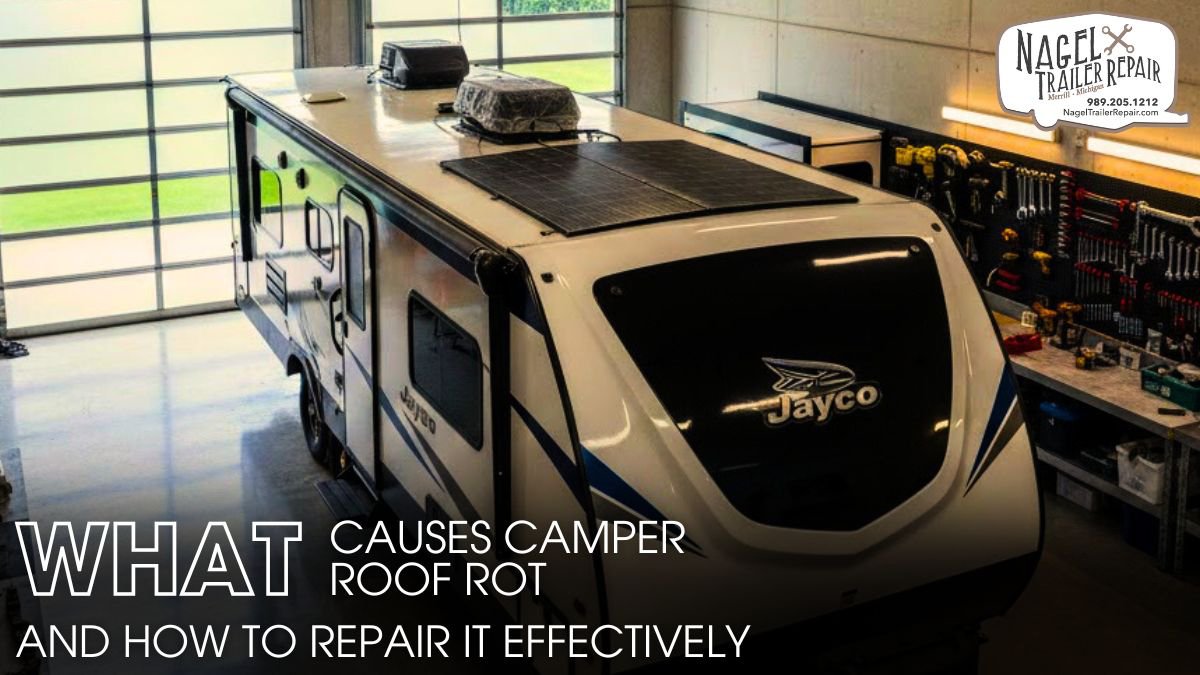
Moisture damage can turn a simple RV trip into an expensive headache, especially when hidden leaks slowly erode your camper’s structure. Few issues spread faster or cause more long-term harm than unnoticed roof rot.
Many RV owners fail to detect early warning signs, allowing rot to compromise insulation, framing, and interior comfort. Ignoring these indicators leads to higher repair costs and serious safety risks on the road.
This guide explains what causes roof rot, how to spot it early, and how to fix it using proven methods. Whether you handle it yourself or seek camper roof repair Michigan services, you will learn exactly how to protect your RV from further damage.
Understanding Roof Rot:
Roof rot develops when moisture slips past your camper’s protective layers and settles into the roof structure. Once water finds its way in, it begins to weaken plywood, soften adhesives, and saturate insulation. Over time, the roof loses its strength and becomes vulnerable to mold and further deterioration. This process moves even faster in Michigan because constant rain, heavy snow, and temperature swings create the perfect conditions for moisture to linger.
Most owners do not realize how quickly rot spreads. It rarely stays in one place. If the membrane fails at a single point, water can travel sideways across the decking and into supporting beams. This makes early detection crucial. You can often identify developing rot through simple visual and physical cues, such as soft spots underfoot or discoloration on ceiling panels.
Common indicators include:
- A roof surface that feels mushy or uneven
- Ceiling stains or fading around roof fixtures
- Membrane bubbles, cracks, or lifted seams
- A damp, stale smell inside your camper
- Visible sealant deterioration at edges and joints
Improper installation and neglected maintenance often accelerate the process. When you rely on experienced technicians for Michigan camper roofing services, they typically install proper seals, reinforce weak areas, and ensure the roof sheds water correctly—steps that significantly reduce the chance of future rot.
Main Causes of Roof Rot:
Camper roof rot usually develops for a combination of reasons rather than from one single issue. The leading cause is failing sealant. Over time, sealants dry out, crack, or pull away from roof fixtures. Once those gaps form, even a small amount of water can slip through during rain or snowmelt. Michigan’s cold winters and warm summers intensify this breakdown because the constant expansion and contraction put pressure on every seam.
Aging roof membranes also play a major role. Rubber (EPDM), TPO, fiberglass, and aluminum roofs all degrade differently, but they share one vulnerability: exposure. Sunlight, moisture, debris accumulation, and seasonal temperature swings eventually weaken the membrane, making it easier for water to penetrate. Rubber roofs may shrink or chalk, fiberglass can crack, and aluminum seams may loosen.
Ventilation is another overlooked factor. If airflow inside the roof cavity is poor, condensation builds up, especially during cold months. That moisture settles into insulation and wooden components, resulting in rot from the inside out—even when the outer layer appears intact.
By the time rot becomes visible indoors, the underlying structure may already be compromised. Regular inspections from a qualified camper repair Michigan professional can identify hidden damage early, long before it spreads into critical support areas.
Assessing the Damage:
Proper assessment determines whether you need a minor repair or a full roof rebuild. Start by walking the roof carefully, feeling for soft or sagging sections. These spots usually signal damaged plywood or insulation beneath the membrane. Next, examine seams, edges, and fixtures for cracks or lifting. Even small gaps can funnel large amounts of water into the roof structure.
Inside your camper, inspect the ceiling and upper walls for discoloration. Brown or yellow rings typically point to long-term moisture exposure, while darker patches may indicate mold. Any sagging or warped wood suggests that water has been pooling or spreading behind the scenes.
Hidden damage requires more precise tools. Many professionals use moisture meters to detect saturated areas or thermal imaging to trace moisture migration through the roof assembly. These tools reveal problems that aren’t visible to the naked eye, especially in cases where water has traveled several feet from the original entry point.
If you suspect structural damage, contacting a camper repair Michigan specialist ensures that you receive an accurate diagnosis before starting repairs. A trained technician can confirm how far the rot has spread and recommend the safest, most cost-effective repair approach.
Repairing Roof Rot:
Repairing roof rot requires more than patching a leak. You must remove every section of damaged material, rebuild the structure, and then restore the protective layers so moisture cannot enter again. Skipping steps or covering rot with temporary fixes only leads to more expensive problems later.
The repair usually begins by removing the roof membrane or cutting an access section. You then remove all rotten wood, wet insulation, and damaged decking. Even slightly weakened areas should be replaced because leaving them in place allows rot to continue spreading.
After removing the damaged material, you install new plywood or OSB decking and ensure proper fastening. Fresh insulation goes in next to restore energy efficiency and prevent future moisture buildup. This stage is critical because moisture trapped in insulation will quickly create new rot.
Reattaching the roof membrane depends on its type:
- EPDM roofs require proper adhesive application.
- TPO roofs may need heat-welding at seams.
- Fiberglass repairs involve resin and cloth bonding.
- Aluminum roofs often require new rivets and reinforced seams.
Once the membrane is secured, sealing becomes the most important step. You must apply high-quality lap sealant to every seam, fixture, and edge. Many DIY repairs fail because the sealant is applied too thin, too quickly, or unevenly. For long-term protection, many owners rely on professional camper roof sealing Michigan services, where specialists apply commercial-grade sealants and protective coatings.
A final protective coating can significantly extend your roof’s lifespan. Silicone, acrylic, and elastomeric coatings shield the membrane from UV damage, slow down wear, and improve water resistance.
Preventing Future Rot:
Preventing roof rot is far easier and cheaper than repairing it. Consistent maintenance ensures your roof stays strong and watertight throughout the year. Start by inspecting the roof every season and after major storms. Look closely at seams, vents, and edges for early signs of wear.
Regular cleaning also prevents many problems. Remove leaves, dirt, and debris that can trap moisture on the roof surface. Use cleaning products recommended by the roof membrane manufacturer, as harsh chemicals can weaken protective layers.
Sealant maintenance is vital. Sealants naturally deteriorate due to sunlight and weather, so reapply them annually or as needed. A fresh bead of sealant around vents, skylights, and AC units prevents small gaps from turning into major leaks.
A protective roof coating adds another layer of defense. Many RV owners schedule periodic recoating as part of ongoing Michigan camper roofing maintenance. These coatings improve UV protection, reduce membrane cracking, and help water run off the roof more efficiently.
Additional preventive tips include:
- Using a breathable RV cover during long storage periods
- Parking in shaded areas to reduce UV exposure
- Keeping interior ventilation strong to prevent condensation
- Ensuring drainage paths stay clear during rain or snow
With the right maintenance habits, you can significantly slow down roof wear and prevent rot from forming again.
The Role of Professional Maintenance:
Professional maintenance plays a direct role in preventing long-term roof damage and protecting your camper’s structure. A trained technician can spot early signs of moisture intrusion, failed seals, and membrane wear long before they turn into costly rot or structural decay. Their inspections also help catch issues that most owners overlook, such as slow-developing leaks that spread across roof decking and into hidden cavities.
Regular professional checkups are equally critical for electrical safety. Water that seeps through a damaged roof can reach wiring, outlets, and lighting systems, creating shorts, corrosion, or fire hazards. By seeking help from a camper roof repair Michigan shop to ensure the roof stays sealed, ventilated, and structurally sound, professionals help prevent dangerous electrical failures and keep your camper safe on every trip.
Conclusion:
Roof rot is a major threat, but routine RV roof maintenance and sealing prevent structural failure. By spotting RV water damage early and using proper repair techniques, owners protect their investment.
Whether you choose DIY fixes or professional camper roof repair Michigan services at Nagel Trailer Repair, addressing moisture quickly ensures a safer, stronger, and more reliable trailer. Stay proactive to keep your RV road-ready for years to come.