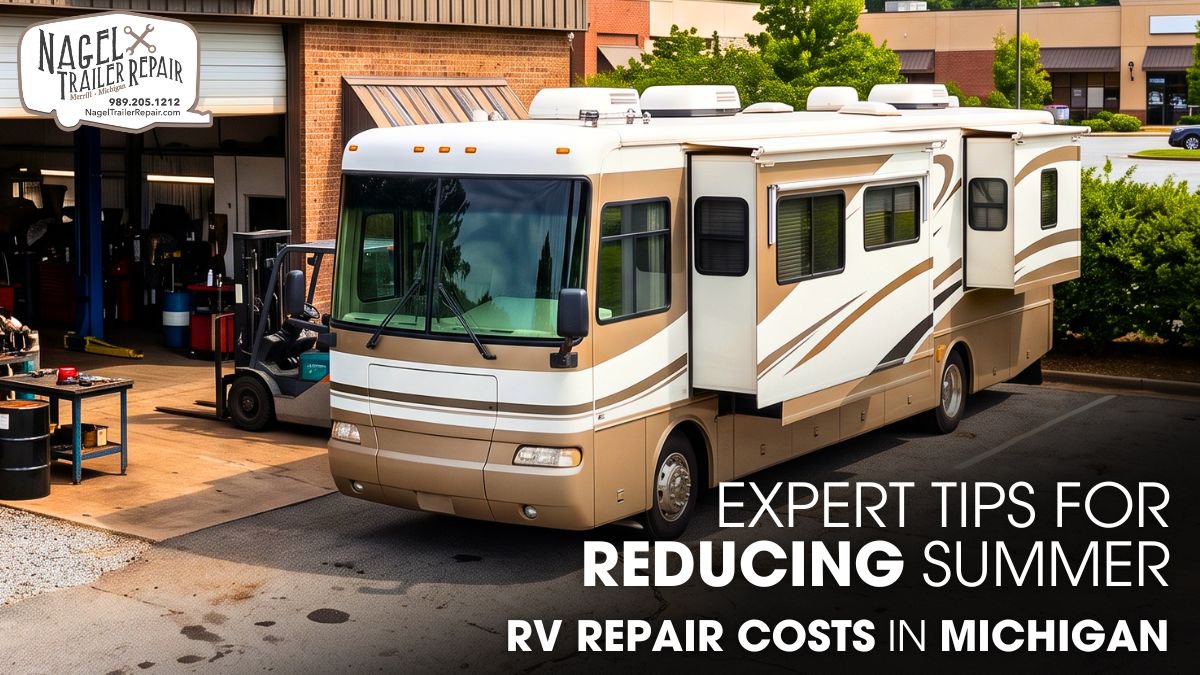
Summer is the perfect time to explore Michigan in your RV, but it can also bring unexpected repair bills. From overheating engines to worn tires and damaged seals, seasonal travel often puts extra stress on your vehicle. A single breakdown during peak travel months can quickly disrupt your plans and strain your budget.
Many RV owners face rising maintenance and repair costs because they overlook small issues until they become major problems. Michigan’s changing weather, long road trips, and busy campgrounds can accelerate wear and tear, making preventive care more important than ever.
The good news is that you can significantly reduce summer RV repair expenses with the right approach. In this guide, you’ll discover expert tips to prevent costly breakdowns, extend your RV’s life, and save money—while enjoying worry-free Michigan adventures. When issues arise, trust a certified RV repair expert in Michigan to keep you safely on the road.
Why Summer RV Repairs Cost More:
Many RV owners assume summer is the easiest season for travel, but it is often the most demanding period for an RV’s mechanical and structural systems. During the summer months, engines operate for longer hours, cooling systems work harder, air conditioners run continuously, and tires experience higher road temperatures. These conditions create additional stress on components that already carry substantial loads.
In Michigan, the situation becomes even more challenging because weather conditions can change quickly. An RV may encounter intense sunshine, heavy rain, high humidity, and fluctuating temperatures within the same trip. These environmental factors accelerate wear on roofing materials, seals, electrical connections, and exterior components.
Another reason repair costs increase during summer is the simple law of supply and demand. RV repair facilities are often booked weeks in advance. When service centers become overloaded, labor rates may increase, and replacement parts can become harder to obtain. If your RV breaks down during peak travel season, you may also face higher towing costs and emergency service fees.
Several systems commonly fail during summer travel:
- Engine cooling systems
- Air conditioning units
- Roof sealants and weatherproofing materials
- Batteries and charging systems
- Tires and suspension components
- Brake systems
The financial impact can be significant. Replacing a damaged air conditioning compressor can cost between $1,000 and $2,500. A major cooling system repair may exceed $3,000. If overheating causes engine damage, repair bills can easily reach $8,000 to $12,000 or more. By comparison, annual preventive maintenance typically costs only a fraction of these amounts.
Perform Routine Maintenance Checks:
Routine maintenance remains the most effective way to control RV ownership costs. Small inspections performed regularly can identify developing problems long before they become expensive repairs.
Tires deserve special attention because they support the entire weight of the RV while absorbing road impacts and heat. Underinflated tires flex excessively as they roll, generating internal heat that weakens the tire structure. Overinflated tires can wear unevenly and reduce traction. Before every trip, check tire pressure using the manufacturer’s recommended specifications and inspect the tread for signs of abnormal wear.
You should also monitor fluid conditions throughout the vehicle. Engine oil lubricates internal engine components and removes heat from critical areas. When oil degrades, friction increases, causing additional wear and higher operating temperatures. Transmission fluid, coolant, brake fluid, and differential lubricants perform equally important functions and should remain within recommended service intervals.
A comprehensive maintenance inspection should include:
- Tire pressure and tread evaluation
- Brake pad and rotor inspection
- Coolant level verification
- Battery load testing
- Generator servicing
- Suspension component checks
- Roof inspection
- Seal and gasket evaluation
Battery maintenance often receives less attention than it deserves. Summer heat accelerates chemical reactions inside batteries and increases electrolyte loss. Corroded terminals can restrict electrical flow and place additional strain on charging systems. Cleaning battery terminals and verifying charging voltage can prevent unexpected electrical failures during travel.
Roof inspections are equally important. Even a tiny opening around a vent, skylight, or air-conditioning mount can allow water intrusion. Moisture can travel behind walls and under flooring materials, causing hidden damage that may remain undetected for months. Spending a few hundred dollars on roof maintenance can prevent repair costs that may exceed several thousand dollars.
Prevent Heat-Related RV Damage:
Heat is one of the most destructive forces affecting RV reliability. Every major system in the vehicle generates heat during operation, and summer temperatures reduce the efficiency of cooling mechanisms designed to control it.
The engine cooling system plays a critical role in maintaining safe operating temperatures. Coolant circulates through the engine, absorbs heat, and transfers it to the radiator. Air passing through the radiator removes this heat before the coolant returns to the engine. Any restriction in this process can lead to overheating.
RV owners should inspect:
- Radiator fins for debris buildup
- Coolant hoses for cracking
- Water pump operation
- Cooling fan performance
- Thermostat functionality
- Coolant concentration levels
Even partially clogged radiator fins can reduce heat transfer efficiency. During long climbs or heavy towing situations, that reduced efficiency may push engine temperatures beyond safe limits.
Air-conditioning systems also require regular attention. Dirty evaporator coils, blocked condensers, and low refrigerant levels force HVAC systems to work harder than necessary. As runtime increases, energy consumption rises and component wear accelerates.
Sun exposure creates additional challenges. Ultraviolet radiation gradually breaks down roof membranes, rubber seals, vent covers, and exterior finishes. Over time, UV damage creates cracks that allow moisture penetration and structural deterioration.
To reduce heat-related damage:
- Park in shaded locations whenever possible
- Use reflective window coverings
- Apply UV-protective treatments
- Maintain proper ventilation
- Clean cooling components regularly
These simple steps help preserve critical systems and reduce the likelihood of expensive heat-related repairs.
Handle Small RV Repairs Early:
One of the most common mistakes RV owners make is delaying minor repairs. While postponing a repair may appear to save money initially, it often leads to significantly higher costs later.
Water leaks provide a perfect example. A small gap in roof sealant may allow only a small amount of moisture inside the RV. However, over time, that moisture can damage insulation, weaken structural framing, promote mold growth, and corrode electrical wiring. By the time visible signs appear, the repair may require extensive restoration work.
Electrical problems can escalate in a similar manner. Loose terminals create resistance that generates heat. Continued exposure to excessive heat can damage wiring insulation and nearby components. What could have been a simple connection repair may eventually require extensive electrical troubleshooting and component replacement.
Pay attention to warning signs such as:
- Water stains on ceilings
- Soft flooring areas
- Flickering lights
- Burning smells
- Excessive engine temperatures
- Unusual vibrations
- Suspension noises
- Reduced braking performance
Addressing these issues promptly minimizes damage and lowers repair costs. A $150 repair completed early may prevent a future repair bill exceeding $2,000.
Routine inspections also improve safety. Brake issues, tire wear, and steering problems often develop gradually. Early detection helps prevent roadside emergencies and reduces the risk of accidents that could result in much higher financial losses.
Save Money on RV Service Costs:
Reducing repair expenses requires more than technical maintenance. Smart financial planning can significantly lower the overall cost of RV ownership.
One effective strategy is scheduling maintenance before the summer travel season begins. Repair facilities generally have more availability during spring and late fall. Labor rates may also be lower during these periods, allowing owners to complete maintenance work at reduced costs.
Maintaining accurate service records offers another financial advantage. Detailed documentation helps technicians diagnose problems more efficiently and prevents unnecessary duplicate repairs. It also increases resale value by demonstrating that the RV has been properly maintained.
Consider the following cost-saving practices:
- Schedule preventive maintenance annually
- Compare estimates from multiple repair facilities
- Replace wear components before failure
- Follow manufacturer service intervals
- Invest in quality replacement parts
- Maintain organized maintenance records
Although premium replacement parts usually cost more initially, they often deliver greater durability and reliability. Cheaper alternatives may fail sooner and create additional repair expenses.
Financially, preventive maintenance delivers an excellent return on investment. Spending $500 to $1,000 annually on inspections and servicing can help avoid repair costs that may exceed $5,000 to $15,000 over the life of the RV.
Reliable Michigan RV Repair Support:
The quality of repair work directly affects long-term operating costs. Modern RVs combine mechanical, electrical, plumbing, HVAC, and structural systems into a single platform. Diagnosing problems accurately requires specialized knowledge and experience.
Experienced RV technicians understand how these systems interact. Rather than treating symptoms, they identify root causes and implement lasting solutions. This approach reduces repeat repairs and improves vehicle reliability.
When evaluating service providers, consider factors such as:
- Technician certifications
- RV-specific repair experience
- Diagnostic equipment capabilities
- Warranty coverage
- Customer reviews
- Parts quality standards
- Preventive maintenance programs
A reputable repair facility should provide clear explanations of recommended services and communicate expected costs before beginning work. Transparent pricing helps owners make informed financial decisions and avoid unexpected expenses.
Building a long-term relationship with a trusted service provider can also create savings opportunities. Many facilities offer maintenance packages, loyalty discounts, priority scheduling, and extended service benefits for repeat customers.
Creating a structured maintenance plan is equally important. Track fluid changes, tire inspections, brake servicing, generator maintenance, battery testing, and roof inspections throughout the year. Consistent monitoring reduces unexpected failures and helps distribute maintenance costs more predictably.
The Role of Professional Maintenance:
Professional maintenance plays a critical role in keeping an RV reliable, efficient, and cost-effective throughout the travel season. Certified technicians use specialized diagnostic equipment to identify developing issues in cooling systems, electrical networks, braking components, and fuel delivery systems before they lead to expensive breakdowns. Their expertise helps ensure that all major systems operate within manufacturer specifications.
Routine inspections also help uncover hidden problems that many owners may overlook. Technicians can detect restricted fuel flow, deteriorating hoses, clogged fuel lines, weak battery performance, coolant contamination, and worn mechanical components during preventive service visits. Addressing these issues early improves safety, enhances performance, and reduces the risk of roadside failures.
From a financial standpoint, professional maintenance is a smart investment. Scheduled servicing typically costs far less than emergency repairs, towing expenses, or major component replacements. Consistent maintenance extends equipment life, improves fuel efficiency, and helps owners avoid unexpected repair bills while maintaining dependable performance during every trip.
Conclusion:
Summer RV travel in Michigan exposes vehicles to elevated temperatures, heavy workloads, and environmental conditions that accelerate wear across critical systems. Owners who ignore routine inspections often face expensive repairs involving cooling systems, electrical components, roofing structures, and drivetrain assemblies.
Preventive maintenance remains the most cost-effective strategy for protecting an RV investment. Regular inspections, timely repairs, fluid management, tire monitoring, and heat-control measures significantly reduce the likelihood of major mechanical failures and emergency service expenses.
By combining technical maintenance, smart financial planning, and pro support from Nagel Trailer Repair—your RV repair expert in Michigan—you’ll slash costs, boost reliability, and enjoy worry‑free summer trips. Don’t wait; schedule your inspection today for safer, smoother adventures ahead.