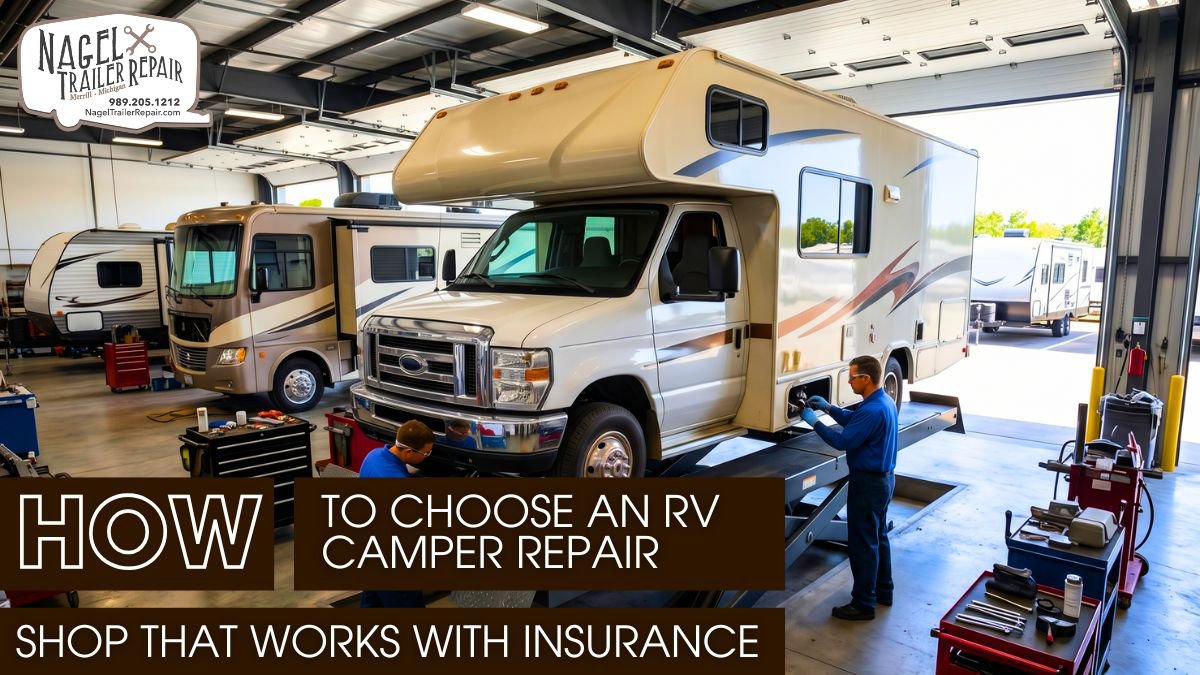
Choosing the right RV camper repair shop can mean the difference between a smooth claim and a stressful setback. After an accident or damage, you need fast, reliable repairs without the hassle of endless paperwork or delays.
Many RV owners struggle to find shops that truly work with insurance companies. Some repair centers lack experience with claims, while others create hidden costs or extend timelines, leaving you frustrated and out of pocket.
This guide will help you find an RV repair shop in Michigan that handles insurance efficiently, communicates clearly, and delivers quality results. So that you avoid costly pitfalls, protect your vehicle and wallet, and get back on the road with confidence.
Understand Your RV Insurance Policy:
Before you even think about repair shops, you need to fully understand what your insurance will and won’t cover. Many RV owners assume their policy works like standard car insurance, but that’s rarely true. RV insurance blends vehicle coverage with elements of home insurance, which makes claim handling more complex.
Start by identifying whether your policy uses Actual Cash Value (ACV) or Agreed Value. ACV reduces your payout based on depreciation, meaning older RVs often receive significantly lower reimbursements. Agreed Value policies give you a fixed payout, which offers predictability but usually comes with higher premiums. This distinction directly affects how much of the repair cost you’ll recover.
You also need to understand how insurers categorize damage. Structural damage, electrical faults, water intrusion, and cosmetic issues may fall under different coverage rules. For example, if an insurer decides water damage resulted from poor maintenance, they may deny that portion of the claim entirely.
Pay close attention to deductibles and sub-limits. Many policies cap payouts for accessories like solar panels, satellite systems, or upgraded interiors. If your RV includes custom additions, those caps can leave you covering a large portion of the repair bill.
Keep these key points in mind:
- Check whether your policy is ACV or Agreed Value
- Review deductibles and how they apply per claim
- Look for caps on accessories and add-ons
- Understand exclusions like wear and tear
Also, find out if your insurer requires or prefers certain repair shops. Using an approved shop can speed up approvals and reduce paperwork, but you should still verify the quality of repairs they deliver.
Search for Qualified RV Shops:
Not every repair shop can handle an RV properly. RVs are complex machines that combine automotive systems with residential-style electrical, plumbing, and structural components. Choosing the wrong shop can lead to incomplete repairs and future failures.
Look for shops associated with organizations like the Recreation Vehicle Industry Association. Certification signals that technicians follow industry standards and understand how RV systems are built and repaired.
You should also evaluate the shop’s equipment and technical setup. High-quality RV repair requires specialized tools such as frame alignment systems, moisture detection devices, and diagnostic equipment for electrical systems. Without these, a shop may only fix visible damage and miss deeper issues.
Online reviews can help, but don’t rely on ratings alone. Focus on detailed feedback about insurance claims, repair timelines, and communication. A shop might do excellent repair work but still create problems if they mishandle insurance paperwork.
Local recommendations are often more reliable. RV owners, dealers, and service centers usually know which shops consistently deliver good results. They can also tell you which shops handle insurance claims smoothly.
When evaluating shops, focus on:
- Certifications and technician expertise
- Availability of specialized RV repair tools
- Real-world experience with insurance claims
- Consistency in customer feedback
Choosing a technically capable shop reduces the risk of repeat repairs, which insurers may refuse to cover later.
Verify Insurance Partnerships:
A repair shop’s relationship with insurance companies can make or break your experience. You need a shop that not only accepts your insurance but also knows how to work within the insurer’s system.
Experienced shops often have established relationships with providers like Progressive Insurance and State Farm, or similar companies in your region. These relationships help speed up approvals because the shop understands exactly what documentation the insurer requires.
Ask whether the shop offers direct billing. This allows them to bill the insurer directly, so you don’t have to pay the full repair cost upfront. However, remember that you’ll still need to cover your deductible and any non-covered items.
One of the most important capabilities is handling supplements. Initial inspections often miss hidden damage, especially in RVs where issues can spread beneath the surface. A good shop knows how to document additional damage and submit supplement requests that insurers approve quickly.
A reliable insurance-friendly shop will:
- Create detailed, itemized estimates
- Provide clear photo and damage documentation
- Communicate directly with claims adjusters
- Manage approvals and follow-ups
You should also ask if they assign a dedicated claims coordinator. This person keeps everything moving and ensures you’re not stuck chasing updates.
If a shop lacks strong insurance coordination, you risk delays, rejected claims, or unexpected costs.
Evaluate Repair Capabilities:
You need to go beyond surface-level impressions and assess how well a shop can actually repair your RV. RV repairs often involve multiple systems, and poor workmanship in one area can create problems elsewhere.
Structural repairs require precision. Even slight misalignment in the frame can affect how your RV drives and wears over time. Shops should use proper alignment equipment and follow manufacturer specifications.
Electrical systems in RVs are especially complex. They combine low-voltage DC systems with high-voltage AC power. Technicians must understand both to avoid safety risks and system failures. This becomes even more important if your RV includes solar panels or lithium battery systems.
Water damage is another critical area. It often spreads behind walls and under flooring, causing hidden structural damage. Shops need advanced tools like moisture meters and thermal imaging to detect and fix these issues completely.
Operational efficiency also matters. A shop with great tools but poor workflow can still delay your repair. You should evaluate how they manage scheduling, parts ordering, and quality checks.
Look for these indicators:
- Advanced diagnostic and repair equipment
- Experience with structural and system repairs
- Access to quality parts (OEM or equivalent)
- Clear repair processes and quality checks
Ask for examples of past work. Seeing real repair cases helps you understand how the shop handles complex situations.
Compare Estimates and Timelines:
Repair estimates are more than just numbers—they show how the shop plans to handle your repair financially and technically. A vague estimate can lead to confusion and disputes later.
A detailed estimate should break down labor, parts, and materials. This transparency helps insurers approve the claim faster and gives you a clear understanding of costs. Avoid shops that provide only a lump-sum figure.
Labor rates can vary widely. Insurance companies often set limits based on local market rates. If a shop charges more, you may need to pay the difference. That’s why you should compare not just price, but also the value you’re getting.
Timelines are just as important. Delays can increase your overall cost, especially if your policy doesn’t cover temporary living or alternative transport. Ask how long repairs typically take and what factors could cause delays.
When comparing options, consider:
- Level of detail in the estimate
- Alignment with insurance-approved rates
- Realistic repair timelines
- Communication about possible delays
Also, ask how the shop handles unexpected costs. Clear communication about supplements and approvals helps you avoid surprises.
Review Warranties and Support:
The repair process doesn’t end when you pick up your RV. You need confidence that the work will hold up over time. That’s where warranties and support come in.
Good repair shops offer warranties on both labor and parts. These warranties protect you if something goes wrong after the repair. If you’re using an insurance-approved shop, the insurer may also back the repair, which adds another layer of security.
Follow-up services are equally important. Some issues, especially water or electrical problems, may not appear immediately. A shop that offers post-repair inspections shows that they stand behind their work.
Communication also plays a big role. Shops that provide regular updates and clear contact points make the entire process less stressful. You always know what’s happening with your repair and your claim.
Focus on these factors:
- Clear and written warranty terms
- Availability of post-repair inspections
- Responsive communication channels
- Proper documentation of completed work
A strong support system ensures that your repair remains reliable long after you leave the shop.
The Role of Professional Maintenance:
Professional maintenance plays a critical role in keeping your RV reliable, safe, and financially efficient over time. When you work with experienced technicians, you not only ensure accurate repairs but also streamline insurance processes. Skilled shops document damage properly, use standardized estimates, and communicate directly with insurers, which helps you avoid claim delays, underpayments, or unexpected out-of-pocket costs.
At the same time, regular maintenance prepares your RV for changing conditions, especially colder climates. Professionals inspect seals, insulation layers, heating systems, and ventilation to prevent heat loss and moisture buildup. They also identify weak points—like window gaps or undercarriage exposure—that can reduce comfort and increase energy consumption.
By investing in professional upkeep, you extend your RV’s lifespan, maintain its value, and reduce long-term repair expenses. You also gain peace of mind knowing your vehicle performs efficiently, whether you’re handling insurance repairs or preparing for demanding winter travel.
Conclusion:
Choosing the right RV Camper repair service provider isn’t just about fixing damage—it’s about managing risk and controlling costs. When you understand your insurance policy and evaluate shops carefully, you avoid delays, disputes, and unexpected expenses.
Focus on repair shops that combine technical expertise with strong insurance coordination. This combination ensures faster approvals, accurate repairs, and better financial outcomes.
With the right approach, you can protect your RV, your budget, and your peace of mind. Choosing a premier RV repair shop in Michigan like Nagel Trailer Repair ensures expert care. A smart decision today saves time and money, motivating you to keep your adventures safe and stress-free.