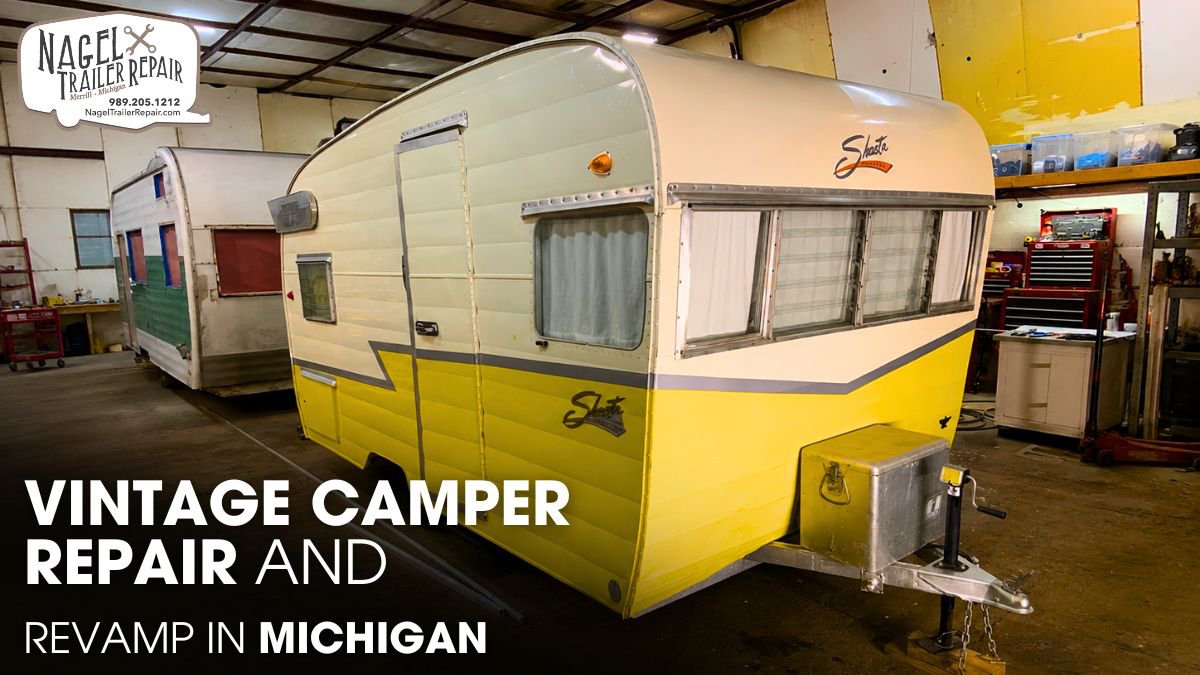
Vintage campers capture timeless charm, but restoring one in Michigan takes more than passion. From weather-related wear to outdated interiors, every project offers a chance to preserve history while creating a reliable, road-ready retreat that reflects your personal style.
Many owners struggle with roof leaks, rust, damaged flooring, aging electrical systems, and the effects of harsh Michigan winters. Without a clear restoration plan, repair costs can rise quickly, and overlooked issues may reduce safety, comfort, and the camper’s long-term value.
This guide walks you through every stage of a retro camper repair and revamp. Learn to spot common issues, plan smart upgrades, and protect your investment. For lasting results, trust a vintage camper repair expert in Michigan to restore your camper for years of reliable adventures.
Why Restore a Vintage Camper?
Restoring a vintage camper is about much more than making an old trailer look attractive again. It gives you the opportunity to preserve a piece of RV history while creating a dependable camper that meets today’s safety and comfort standards. Many older campers were built with durable aluminum exteriors, solid wood framing, and handcrafted cabinetry that remain impressive even after decades of use. With the right repairs, these campers can continue serving families for many more years.
Before replacing flooring, repainting cabinets, or installing new furniture, inspect the camper’s structural components carefully. Water damage often hides beneath vinyl flooring, behind wall panels, or around roof openings. Ignoring these areas can lead to expensive repairs later.
A complete restoration offers several long-term benefits:
- Strengthens the camper’s structural integrity.
- Improves towing stability and road safety.
- Extends the lifespan of the trailer.
- Increases resale and collector value.
- Allows modern upgrades without losing vintage character.
Treat restoration as a long-term investment instead of a cosmetic project. Structural repairs always deliver a better return than decorative improvements because they protect every other component inside the camper.
Common Vintage Camper Issues:
Water damage remains the number one enemy of vintage campers. Roof seams, vents, window frames, clearance lights, and corner trim gradually lose their weatherproof seal after years of exposure to sunlight, rain, and freezing temperatures. Once moisture enters the walls or floor, plywood begins to soften, insulation loses effectiveness, and wooden framing starts to decay.
Michigan’s winter road salt also accelerates corrosion. Surface rust may seem harmless, but it can quickly spread to the chassis, suspension brackets, tongue assembly, and axle mounts if left untreated. Severe corrosion weakens structural components and directly affects towing safety.
Electrical systems deserve equal attention. Many campers built decades ago still use aging wiring, outdated fuse panels, and deteriorated insulation. These systems were never designed to support today’s appliances, battery chargers, or solar equipment. Upgrading to marine-grade copper wiring, modern circuit breakers, LED lighting, and lithium-compatible charging equipment improves both safety and efficiency.
Watch for these common warning signs:
- Soft or spongy flooring.
- Water stains around windows or ceiling panels.
- Rust near suspension mounting points.
- Cracked roof sealants.
- Flickering interior lights.
- Propane hoses showing cracks or weather damage.
Finding these problems early makes the restoration process easier and helps prevent more serious structural damage.
Planning the Revamp:
Every successful camper restoration starts with a detailed inspection and a realistic plan. Instead of removing everything at once, work through the project in logical stages. Photograph every area before disassembly, label electrical connections, and organize fasteners so reassembly becomes much easier.
Prioritize structural repairs before cosmetic upgrades. Replace damaged flooring, repair framing, inspect the chassis, and verify that the suspension, brakes, and axle remain in good condition. Once the camper becomes structurally sound, you can move on to electrical improvements, plumbing upgrades, insulation, cabinetry, and interior finishes.
Keep part of your budget available for unexpected repairs. Hidden water damage often appears after walls or floors are removed, and older campers rarely reveal every issue during the initial inspection.
Focus on these priorities:
- Inspect the frame for cracks or corrosion.
- Replace deteriorated plywood with marine-grade panels.
- Upgrade electrical wiring before closing the walls.
- Pressure-test propane lines after repairs.
- Install new weather seals throughout the exterior.
- Use stainless-steel hardware to reduce future corrosion.
Choosing high-quality materials may increase the initial cost, but it greatly reduces maintenance over the life of the camper.
Vintage Camper Repair Challenges in Michigan:
Michigan’s climate creates conditions that accelerate wear on vintage campers. Freeze-thaw cycles repeatedly expand and contract roofing materials, causing sealants to crack over time. Heavy snowfall places additional stress on aging roof structures, while spring humidity encourages condensation inside wall cavities.
Road salt presents another challenge. Salt clings to the frame, axle, leaf springs, brake components, and fasteners throughout winter travel. Without regular washing, corrosion continues even after the camping season ends.
Temperature changes also affect aluminum siding. As aluminum expands and contracts, rivets and mechanical fasteners gradually loosen, allowing moisture to enter around windows, roof accessories, and exterior trim.
Preventive maintenance should include:
- Inspect roof seals twice every year.
- Wash the undercarriage after winter travel.
- Apply rust inhibitors to exposed steel.
- Lubricate stabilizer jacks and suspension components.
- Winterize the plumbing before freezing weather.
- Store the camper in a dry, ventilated location whenever possible.
Routine inspections take only a few hours each season but can prevent thousands of dollars in future repairs.
Interior and Exterior Upgrades:
Modern upgrades can dramatically improve comfort without sacrificing the camper’s vintage appearance. Better insulation keeps the interior comfortable during both cold Michigan mornings and warm summer afternoons. Closed-cell foam insulation or rigid foam boards also reduce condensation inside wall cavities.
Electrical improvements provide another major advantage. Many owners install lithium iron phosphate batteries, MPPT solar charge controllers, battery monitors, and pure sine wave inverters. These upgrades increase energy efficiency and support extended off-grid camping without relying heavily on campground hookups.
Exterior restoration requires equal attention. Replace old butyl tape beneath windows, roof vents, marker lights, and trim pieces before resealing them with compatible RV sealants. Polish aluminum siding, repair dents, and apply UV-resistant coatings to protect exterior surfaces from weather exposure.
Popular upgrades include:
- Luxury vinyl plank flooring.
- LED lighting throughout the cabin.
- High-efficiency roof ventilation fans.
- PEX plumbing with modern fittings.
- Lightweight custom cabinetry.
- Improved battery management systems.
These improvements make the camper easier to maintain while preserving its original personality and classic design.
Maintenance after Camper Restoration:
A successful restoration does not end when the last cabinet is installed. Preventive maintenance keeps every system operating reliably and protects the investment you made during the rebuild.
Inspect roof seams, skylights, vents, windows, and corner moldings at least twice a year. Even a small crack in the sealant can allow moisture to enter hidden structural areas. Regular inspections help you catch problems before they become expensive repairs.
Mechanical systems also require scheduled maintenance. Clean and repack wheel bearings with high-temperature grease, inspect brake assemblies, verify suspension bolt torque, and examine tire sidewalls for age-related cracking. Check electrical terminals for corrosion and confirm that the converter, battery charger, and solar charging equipment operate correctly.
Create a yearly maintenance checklist that includes:
- Roof and seal inspection.
- Propane leak testing.
- Electrical system inspection.
- Battery performance testing.
- Fresh water system flushing.
- Tire pressure and tread inspection.
- Chassis lubrication and rust inspection.
- Detailed maintenance records.
Keeping accurate service records not only simplifies future maintenance but also increases buyer confidence if you ever decide to sell your restored camper.
The Role of Professional Maintenance:
Professional maintenance keeps a classic camper safe, reliable, and ready for every adventure. Skilled technicians identify hidden issues like roof leaks, chassis corrosion, worn suspension parts, electrical faults, and failing seals before they turn into expensive repairs.
Regular inspections also improve towing safety, extend the camper’s lifespan, and help preserve its original charm. Along with these practical benefits, retro camper owners enjoy five unique advantages that make every trip more rewarding.
These include timeless style, personalized interiors, higher resale value, stronger community appeal, and unforgettable travel experiences. Investing in expert care today protects your camper’s performance and lets you enjoy worry-free journeys for years to come.
Conclusion:
Vintage camper repair and revamp in Michigan demands careful planning, technical expertise, and consistent maintenance. By addressing structural issues first, upgrading critical systems, and protecting the camper from Michigan’s challenging climate, you can preserve its classic appeal while ensuring dependable performance.
A systematic retro camper restoration approach transforms an aging camper into a durable, safe, and comfortable travel companion for many years to come. Trust Nagel Trailer Repair, a vintage camper repair expert in Michigan, to restore classic craftsmanship while improving safety, reliability, and comfort.
Give your cherished camper the professional attention it deserves and enjoy worry-free adventures with confidence for years ahead.