Finding the right camper trailer repair shop can mean the difference between a smooth road trip and a costly breakdown. Whether you own a travel trailer, fifth wheel, or motorhome, choosing a reliable repair service is critical to keeping your adventures on track and stress-free.
Many RV owners struggle with unqualified technicians, hidden repair costs, and long wait times. A poor choice can lead to recurring issues, safety risks, and wasted money. With so many options available, it becomes difficult to identify which shop truly delivers quality service and trustworthy results.
This guide will help you confidently choose the right camper repair shop in Michigan. You’ll learn how to evaluate experience, compare pricing, and spot red flags—so you can make a smart decision and get back on the road with peace of mind.
Understand Your Camper Repair Needs:
Before you call any camper repair shop, take a step back and understand exactly what’s going on with your RV. Many owners describe problems too broadly, which leads to longer diagnostics and higher bills. If you can clearly explain the issue, you help the technician get straight to the root cause.
Start by identifying your camper type. A motorhome combines automotive and residential systems, while a towable RV separates those functions. This matters because a braking issue in a fifth wheel is very different from one in a Class C motorhome. The same goes for electrical systems—some rigs rely heavily on converters and inverters, while others use more basic setups.
Next, break the issue down into specific systems. Instead of saying “the power isn’t working,” try to pinpoint what’s failing. Is it only the 12V system? Are outlets dead but lights still working? Does the issue appear when you’re plugged into shore power or only when running on batteries? These details matter.
You should also pay attention to patterns. Intermittent issues often point to loose connections, corroded terminals, or failing relays. Constant problems may indicate component failure. Environmental factors—like rain, humidity, or temperature swings—can also affect seals, wiring, and battery performance.
Keep a simple checklist before visiting a shop:
- When did the problem start?
- Does it happen all the time or occasionally?
- What systems are affected?
- Have you added or modified anything recently?
If your camper uses modern multiplex wiring or digital control panels, check for error codes. These systems communicate faults electronically, and those codes can save hours of diagnostic time.
Finally, check your warranty status. Many manufacturers require repairs to be done by authorized service centers using approved parts. If you skip this step, you could end up paying out of pocket for something that should have been covered.
Check Certifications & Experience:
Not all repair shops are created equal, especially when it comes to RVs. Camper repair is far more complex than standard auto repair because it combines electrical systems, plumbing, propane, and structural components in one unit. That’s why certifications and hands-on experience matter so much.
Look for technicians trained through programs like RVTI or similar industry-recognized certifications. These credentials show that the technician understands critical systems such as LP gas safety, electrical load distribution, and HVAC performance. Without proper training, even a small mistake—like improper wiring—can lead to serious safety risks.
Experience adds another layer of reliability. A shop that has worked on RVs for years has likely seen recurring problems across different models and brands. For example, experienced technicians often recognize early signs of water intrusion behind walls or know exactly where wiring tends to fail in older units.
It also helps if the shop understands your camper’s specific components. Many RVs rely on systems from manufacturers like Lippert, Dometic, or Suburban. These systems often come with their own quirks, installation standards, and troubleshooting methods. A technician familiar with them can diagnose issues faster and more accurately.
Here’s what strong technical expertise usually looks like:
- Use of diagnostic tools like multimeters and scan tools
- Access to wiring diagrams and service manuals
- Knowledge of both mechanical and structural repairs
- Clear documentation of work performed
A skilled technician doesn’t guess—they test, measure, and confirm before making repairs.
Read Reviews & Testimonials:
Reviews can tell you a lot about a repair shop, but only if you read them carefully. Instead of focusing on star ratings alone, look at what customers actually say about their experience.
Detailed reviews are the most valuable. If someone explains how a shop fixed a persistent electrical issue or resolved a leak that other shops couldn’t, that’s a strong sign of technical competence. These insights give you a better picture of how the shop handles real-world problems.
Consistency matters more than perfection. Every business gets a few negative reviews, but repeated complaints about the same issue—like delays, poor communication, or incomplete repairs—should raise concerns. Patterns reveal how a shop actually operates day to day.
Also pay attention to how the shop responds to feedback. A professional repair facility will address concerns clearly and explain what went wrong and how they fixed it. That kind of transparency shows confidence in their work.
Be cautious if you notice:
- Complaints about recurring leaks or electrical faults
- Reports of unfinished or rushed repairs
- Lack of clear invoices or explanations
- Poor follow-up after service
Cross-check reviews across multiple platforms to get a balanced view. When feedback aligns across different sources, it’s usually reliable.
Compare Pricing & Estimates:
Pricing in camper repair can vary widely, and the cheapest option is not always the best one. RV systems are interconnected, so a quick fix may not solve the underlying problem. A proper repair often starts with a thorough diagnostic process.
Always ask for a written estimate before work begins. A good estimate breaks down labor hours, parts costs, and any additional charges. It should also explain what the technician plans to do and why. This level of detail helps you understand what you’re paying for.
Labor rates in Michigan typically range from moderate to high depending on the shop’s expertise and equipment. Shops that invest in advanced diagnostic tools—like electrical testing equipment or moisture detection systems—may charge more, but they often deliver more accurate results.
When reviewing estimates, don’t just compare totals. Look at how each shop approaches the problem. A detailed estimate shows a structured process, while a vague quote often leads to surprise costs later.
Keep these points in mind:
- Does the estimate include diagnostics?
- Are parts OEM or aftermarket?
- Is there a warranty on the repair?
- Are there extra fees for storage or delays?
Transparency is key. A trustworthy shop will explain costs upfront and keep you informed if anything changes.
Evaluate Services Offered:
A reliable camper repair shop should handle more than just basic fixes. RVs are complex systems, and you want a shop that can manage everything from mechanical repairs to structural restoration.
Mechanical services are essential, especially for motorhomes. This includes engine diagnostics, brake servicing, and suspension work. Poor alignment or worn components can affect safety and fuel efficiency, so these systems need proper attention.
Structural repairs are just as important. Water damage is one of the most serious issues in campers, and it often goes unnoticed until it becomes severe. Proper repair involves removing damaged materials, drying affected areas, and rebuilding with the right adhesives and sealants. Quick patch jobs rarely last.
Electrical and plumbing systems require precision. Faulty wiring can lead to power loss or even fire hazards, while small plumbing leaks can cause long-term structural damage. A good shop will test systems thoroughly rather than just replacing parts.
Look for shops that offer:
- Full electrical diagnostics and battery testing
- Roof inspections and resealing
- Slide-out and leveling system repairs
- HVAC servicing and airflow checks
- Seasonal maintenance checks
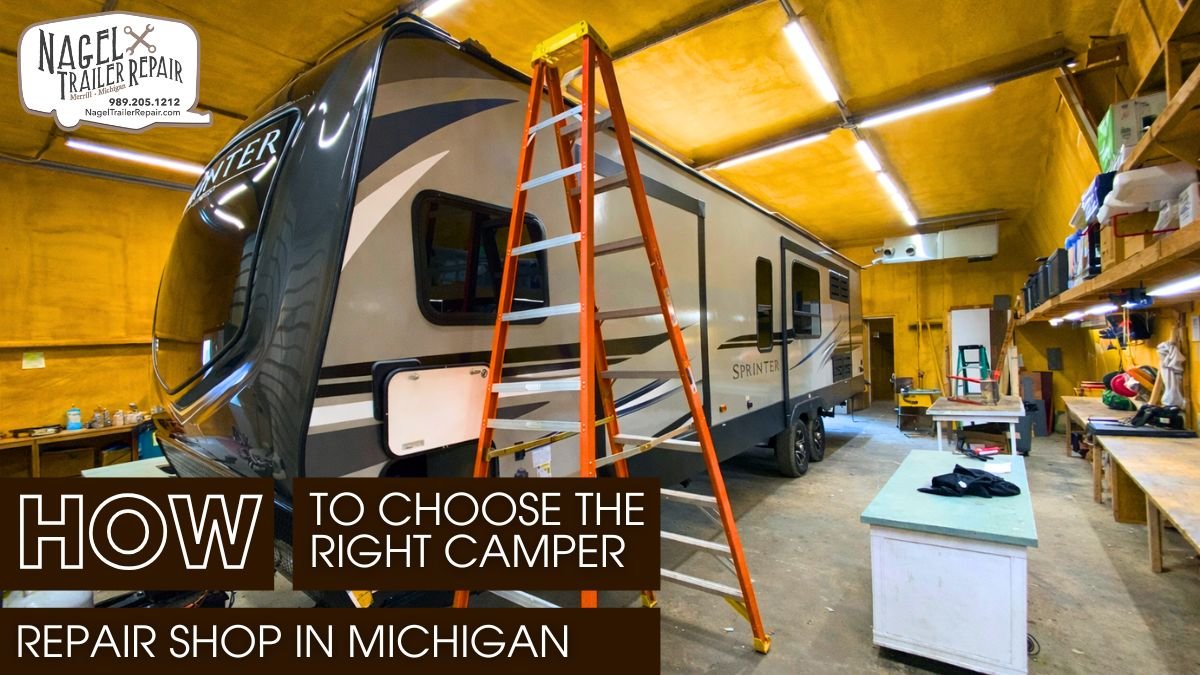
Shop-based repair services can also be a big advantage. If your camper isn’t drivable, bringing it to our shop in Merrill, MI saves time and hassle.
Verify Location & Availability:
Location plays a practical role in your decision, especially if your camper needs towing. A nearby shop reduces transportation costs, but don’t sacrifice quality just for convenience. A slightly farther shop with better expertise often provides better long-term results.
Think about accessibility as well. Shops located near highways or popular RV routes are often easier to reach and may offer faster service for travelers.
Turnaround time is another important factor. Some repairs take longer due to parts availability or complexity. A good shop will give you a realistic timeline and explain any delays. Be wary of promises that sound too good to be true—quality work takes time.
Availability also reflects how well a shop is managed. Organized shops offer clear scheduling, timely updates, and flexible appointment options.
Consider these factors when choosing a location:
- How far is the shop from you?
- Do they offer emergency or priority service?
- How quickly do they respond to inquiries?
- Do they keep you updated during repairs?
A well-run shop communicates clearly and respects your time, which makes the entire repair process much smoother.
The Role of Professional Maintenance:
Professional maintenance plays a critical role in keeping your camper reliable, safe, and road-ready. A skilled repair shop doesn’t just fix visible issues—they inspect underlying systems like electrical wiring, plumbing lines, roof seals, and suspension components to prevent future failures. This proactive approach reduces breakdown risks and extends the life of your RV.
Working with experienced technicians also ensures accurate diagnostics and proper use of OEM parts, which is especially important when insurance claims are involved. Shops that regularly handle insurance repairs understand documentation, damage assessment, and approval workflows, making the process smoother and faster for you.
Regular servicing, combined with expert repairs, helps you avoid costly surprises while maintaining performance, safety, and long-term value.
Conclusion:
Choosing the right camper repair shop in Michigan goes beyond simple convenience—it requires a smart, informed choice. Your RV is a complex system that deserves precise, professional care. By understanding your needs, assessing technical skills, and comparing options, you can avoid expensive errors.
A trustworthy repair shop, like Nagel Trailer Repair, doesn’t just fix issues—it helps prevent future breakdowns. Their expertise ensures your RV receives thorough diagnostics and long-lasting solutions, not temporary patches.
Ultimately, investing time in selecting the right partner gives you confidence on the road. With Nagel Trailer Repair, you gain peace of mind knowing your camper is in capable hands, ready for worry-free travel across Michigan and beyond.