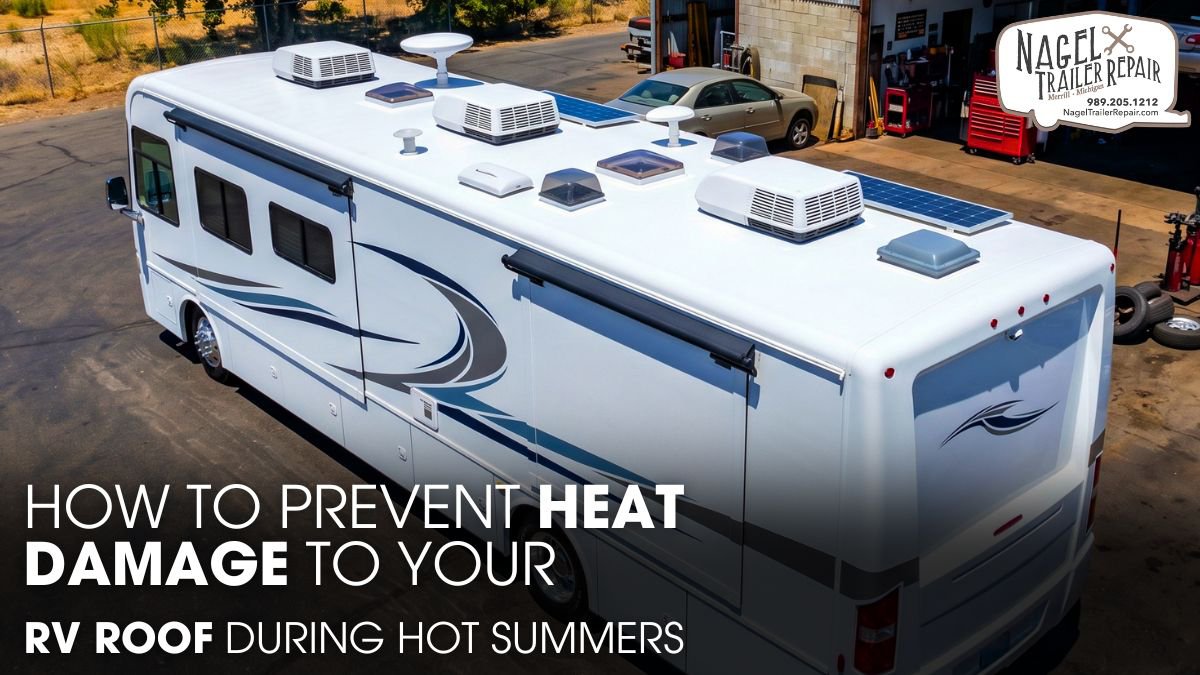
Summer heat can silently destroy your RV roof long before you notice the damage. Constant UV exposure, rising rooftop temperatures, and trapped moisture weaken roofing materials, crack sealants, and shorten your RV’s lifespan. What starts as minor wear can quickly turn into costly repairs and unexpected leaks.
Many RV owners overlook routine roof care during hot summers. They park under direct sunlight, skip inspections, or ignore small warning signs until the damage spreads. Without proper protection, extreme heat can fade coatings, warp surfaces, and reduce your RV’s overall value.
The good news is that you can prevent most heat-related roof damage with a few smart maintenance steps. From choosing reflective coatings to improving ventilation and regular inspections—or consulting with an RV roof expert in Michigan—these simple strategies keep your roof cooler, stronger, and trouble-free all summer.
How Summer Heat Damages RV Roofs?
Your RV roof handles far more stress during summer than most owners realize. Unlike residential roofing systems, RV roofs constantly deal with direct sunlight, road vibration, temperature fluctuations, moisture, and air pressure changes. When outside temperatures rise above 95°F, the roof surface can easily reach 140°F to 160°F, especially on darker roofing materials or poorly maintained surfaces.
This excessive heat weakens roofing membranes over time. UV radiation slowly breaks down the chemical structure of common RV roofing materials such as EPDM rubber, TPO, fiberglass, and aluminum. As the protective surface layer deteriorates, the roof loses flexibility and becomes more vulnerable to cracking, blistering, and seam separation.
Thermal expansion creates another major problem. During the day, the roof expands under intense heat. At night, it contracts as temperatures drop. This continuous expansion-and-contraction cycle places stress on adhesives, lap sealants, fasteners, and roof joints. Eventually, small gaps form around vents, skylights, antennas, and air conditioning units.
You should never ignore early warning signs of heat damage. Common symptoms include:
- Bubbling or wrinkled roofing membrane
- Dry or cracked sealant lines
- Chalky residue on rubber roofs
- Interior water stains
- Soft roof decking areas
- Increased indoor heat retention
Once moisture enters beneath the roof membrane, it can spread quickly through insulation layers and wooden decking. Over time, trapped moisture causes mold growth, wood rot, corrosion, and insulation failure. Repair costs rise dramatically when structural damage develops beneath the visible surface.
Choose the Right RV Roof Coating:
A high-quality roof coating acts like a thermal shield for your RV. It reflects solar radiation, lowers roof temperatures, and slows down material degradation caused by UV exposure. Without a protective coating, your roof absorbs more heat, which accelerates membrane aging and increases interior cabin temperatures.
Reflective elastomeric coatings remain one of the most effective options for RV heat protection. These coatings contain UV-resistant polymers and reflective pigments that reduce solar heat absorption. In many cases, a properly coated roof can stay 20°F to 30°F cooler during peak summer conditions.
Different roofing materials require different coating systems. Applying the wrong product can reduce adhesion and damage the membrane surface. For example:
- EPDM roofs perform best with acrylic or liquid rubber coatings.
- TPO roofs require specialized bonding primers and UV-stable coatings.
- Fiberglass roofs benefit from polyurethane or marine-grade coatings.
- Aluminum roofs need corrosion-resistant elastomeric sealants.
Before applying a coating, clean the roof thoroughly to remove oxidation, dirt, grease, and old residue. Surface contamination prevents proper bonding and shortens the lifespan of the coating system.
When selecting a roof coating, focus on technical performance factors such as:
- High solar reflectance
- UV resistance
- Waterproof flexibility
- Thermal expansion tolerance
- Mildew resistance
Most RV roof coatings require inspection every year and reapplication every two to five years depending on climate conditions, UV intensity, and travel frequency. RVs exposed to desert heat or coastal humidity typically require more frequent maintenance.
Keep Your RV Roof Clean:
A dirty RV roof traps heat and accelerates surface deterioration. Dust, pollen, leaves, bird droppings, and airborne pollutants reduce the efficiency of reflective coatings and increase solar absorption. Over time, debris buildup also creates moisture pockets that encourage mold, algae, and membrane breakdown.
Routine cleaning helps preserve both the roof material and the protective coating. It also gives you an opportunity to inspect the roof for developing damage before small issues become expensive repairs.
You should clean your RV roof at least once a month during hot weather, especially if you travel frequently or store your RV outdoors. Always use gentle cleaning methods because aggressive scrubbing can weaken the membrane surface.
Safe roof cleaning practices include:
- Using soft-bristle brushes
- Rinsing with low-pressure water
- Cleaning during cooler morning hours
- Using manufacturer-approved cleaners
- Drying seams and edges properly
Avoid petroleum-based solvents, abrasive cleaners, and concentrated bleach products. These chemicals can strip away protective coatings and dry out rubber membranes prematurely.
Pay close attention to areas around roof-mounted equipment such as AC units, solar panels, skylights, and vents. Dirt and moisture often collect around mounting brackets and seams, increasing the risk of hidden deterioration.
Standing water creates another serious issue during summer. Poor drainage allows water to sit on the roof surface for long periods, especially after storms. Prolonged moisture exposure weakens adhesives and increases the chances of membrane separation. Keeping drainage channels clear helps prevent this problem.
Improve Ventilation and Cooling:
Good ventilation protects your RV roof from excessive thermal stress. When hot air becomes trapped inside the RV, interior temperatures rise rapidly and increase pressure beneath the roof structure. This added heat load forces roofing materials and insulation systems to work harder.
Proper airflow helps regulate interior temperatures and reduces heat buildup around rooftop appliances. Powered roof vents perform especially well because they continuously remove trapped hot air and moisture from inside the cabin.
Ventilation upgrades can significantly improve thermal efficiency during summer travel. Many RV owners install:
- Solar-powered roof fans
- Vent covers for continuous airflow
- Reflective window insulation
- Rooftop heat deflectors
- High-efficiency exhaust systems
These upgrades reduce strain on air conditioning units and lower overall roof temperatures.
Interior heat management also matters more than most RV owners expect. Cooking indoors during the hottest part of the day increases cabin temperatures and transfers additional heat toward the roof structure. Using outdoor grills or portable cooktops can help reduce internal heat accumulation.
Your air conditioning system also plays a direct role in roof protection. Dirty condenser coils and clogged air filters force the unit to work harder, generating more heat around rooftop mounting areas. Regular AC maintenance improves cooling performance and prevents localized overheating near the roof surface.
Humidity control matters as well. Excess moisture inside the RV can condense beneath the roof during temperature fluctuations. Over time, trapped condensation damages insulation and weakens wooden roof decking. Running a dehumidifier in humid climates helps maintain balanced interior moisture levels.
Inspect and Repair Regularly:
Routine roof inspections help you catch minor problems before they turn into major structural failures. Heat damage rarely appears overnight. Most roofing issues begin as small cracks, loose sealants, or weakened seams that gradually worsen under constant UV exposure and thermal cycling.
Inspect your RV roof every few months during summer and always check it after long road trips or severe storms. Focus carefully on roof penetrations, seams, mounting brackets, and edge trim.
During inspections, look for:
- Cracked lap sealant
- Loose fasteners
- Hairline membrane fractures
- Soft or spongy roof spots
- Bubbling around seams
- Rust near metal fixtures
Thermal expansion repeatedly stresses these vulnerable areas. Even a tiny opening can allow water to penetrate beneath the membrane and spread into insulation layers.
Repair small problems immediately using manufacturer-approved patch kits and compatible sealants. Temporary household adhesives often fail under extreme rooftop temperatures and may react negatively with RV roofing materials.
Professional inspections provide additional protection because many service technicians use infrared scanners and moisture meters to detect hidden water intrusion beneath the roof surface. These tools identify insulation damage and trapped moisture before visible symptoms appear inside the RV.
Preventive maintenance always costs less than structural roof replacement. Consistent inspections help extend the lifespan of your roof while reducing long-term repair expenses.
Smart Parking and Storage Tips:
Where you park your RV directly affects how much heat your roof absorbs during summer. Continuous exposure to direct sunlight increases roof temperatures, accelerates UV degradation, and weakens sealants faster.
Whenever possible, park in shaded areas or use covered RV storage facilities. Even partial shade during peak afternoon hours can significantly reduce rooftop heat buildup. RV carports and covered shelters provide excellent protection against both UV radiation and extreme surface temperatures.
High-quality RV covers add another layer of protection during long-term storage. Breathable covers shield the roof from sunlight while allowing trapped moisture to escape. This balance helps prevent both heat damage and condensation buildup.
Before storing your RV for extended periods, follow these maintenance steps:
- Wash and dry the roof completely
- Remove all debris from drainage areas
- Inspect seams and sealants carefully
- Apply UV-protective treatments
- Check for standing water after rainfall
Avoid parking near reflective surfaces such as metal fences, concrete walls, or large glass structures. Reflected heat can raise roof temperatures even when the RV sits partially in shade.
Long-term storage still requires periodic inspections. Heat damage can continue developing while the RV remains parked for months. Checking the roof regularly allows you to spot coating wear, sealant shrinkage, and moisture buildup before permanent damage occurs.
The Role of Professional Maintenance:
Professional maintenance plays a critical role in protecting and upgrading any camper or RV roof system. Experienced technicians can identify hidden heat damage, weakened sealants, moisture intrusion, and structural stress before these issues turn into expensive repairs.
They also inspect load-bearing capacity, roof framing strength, and membrane condition when preparing a roof for safe foot traffic. Proper maintenance includes thermal inspections, reinforced support installation, waterproof sealing, and surface protection to improve long-term durability.
Experts use specialized materials and repair methods that help the roof withstand intense summer temperatures, UV exposure, vibration, and added weight without compromising structural integrity or safety.
Final Thoughts:
Summer heat places continuous stress on RV roofing systems, but proper maintenance can dramatically reduce long-term damage. UV radiation, thermal expansion, trapped moisture, and poor ventilation slowly weaken roofing materials if left unchecked.
Protecting your RV roof requires a combination of preventive strategies. Reflective coatings, regular cleaning, proper ventilation, routine inspections, and smart storage practices all work together to improve roof durability and energy efficiency.
A well-maintained RV roof lasts longer and protects against moisture, insulation failure, and costly repairs—so trust Nagel Trailer Repair, the RV roof expert in Michigan. Consistent care keeps your roof cool and road-ready. Don’t wait—schedule your professional RV roof service today!